New York City skyline at sunset, representing the political and electoral systems discussed in this article.

When a Vegan Seat Isn’t a Vegan Seat

When a New York Assembly seat opened unexpectedly, the outcome was settled long before voters had a say. The loss of the state’s only vegan legislator reveals how special election rules and party-controlled processes can quietly erase ethical representation — even in districts that once elected it.

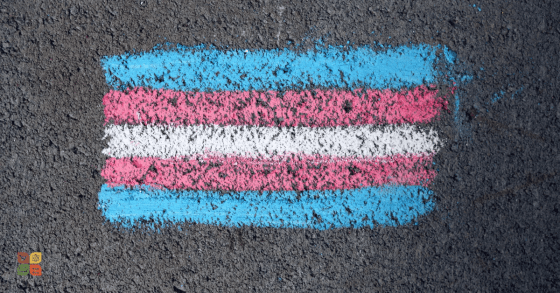
Transgender Day of Remembrance 2025: Honoring Lives Lost, Confronting a Crisis of Violence

Transgender Day of Remembrance honors the lives lost to anti-trans violence and exposes the urgent need for nationwide protections. This piece reflects on the crisis facing transgender communities and highlights ERA2 as a path toward full constitutional equality.

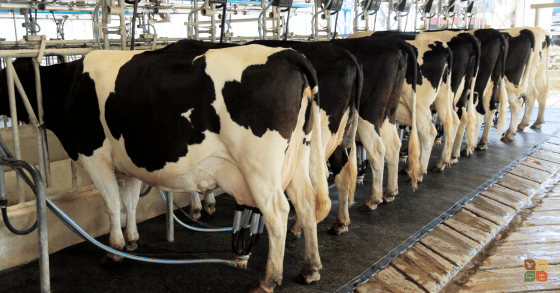
Rows of dairy cows connected to milking machines in an industrial facility — showing how language like “processing” hides the reality of exploitation.

Deconstructing Dominance: The Language of Oppression from Barn to Boardroom

Words shape how we see — and who we harm. From barns to boardrooms, euphemisms like “processing” and “human capital” make cruelty sound routine. The Humane Party calls for truth in language, reminding us that liberation begins with the courage to speak honestly.

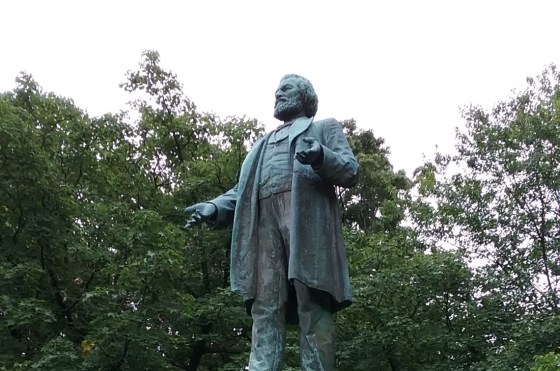
Frederick Douglass monument

The Abolitionists (2013), Amazing Grace (2006), and Schindler’s List (1993): Recommended Viewing

History holds a treasure trove of resources for vegan, abolitionist, animal rights activists, but many of these resources remain untapped by the movement.  This omission can, one hopes, be partly remedied through articles and film dramatizations pointing to information about moments in history from which readers and viewers can extract valuable lessons, glean techniques, and draw moral support.

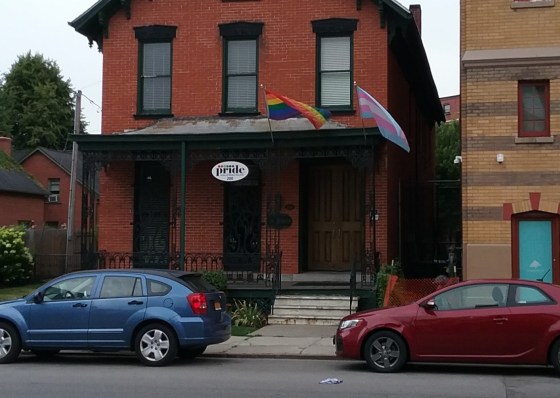
Pride house

Humane National Committee (USA): Class B seat clusters published for 30-day public-comment period

In 2018, the overall parameters for the Humane National Committee were finalized by the Humane Party after expiration of the associated public-comment period and internal review. Assignment for the seats of Class A, which takes a geography-based approach related to that used in the U.S. House of Representatives, was also finalized after public comment and review. Proposed seat clusters for Class B are today published through The Humane Herald for public comment. The public is invited to comment on these proposed seats during the next 30 days.

Earth Day, Humane Party 10-year Anniversary and Inaugural Presidential Primary

Today is Earth Day, and today is the 10th anniversary of the Humane Party, which was founded on the fundamental ideas of abolition of exploitation. The party’s hundreds of volunteers and thousands of followers see the necessity of such a party when the current political parties always seem to offer more of the same. The Humane Party’s platform is different. It is far-reaching and encompasses ideals beyond safeguarding the environment and ending the suffering of species.

Reviving the Abolition Party’s Logo

Prior to launching on Earth Day (April 22), 2009, the Humane Party had three alternative names: the “Vegan Party,” the “Abolition Party,” and the “Humane Party.” While the name was under debate, a logo was designed for the Abolition Party. Activists are welcome to reactivate this dormant logo, where appropriate.

How Would You Like to Be the Humane Party’s Candidate for President of the United States?

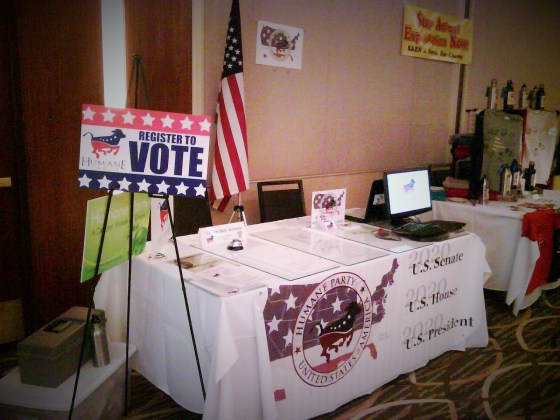
Have you ever thought, “If only I were President of the United States”? Imagine all the possibilities, the changes that could be made. To end suffering as much as humanely possible. To see liberation and equality for all. How about bringing these thoughts to fruition? The Humane Party is holding for the first time in its existence a Presidential Primary for the 2020 Presidential election.

Comparison of Farming in Production of Food per Acre: Measuring vegan-organic agriculture vs. animal-based agriculture

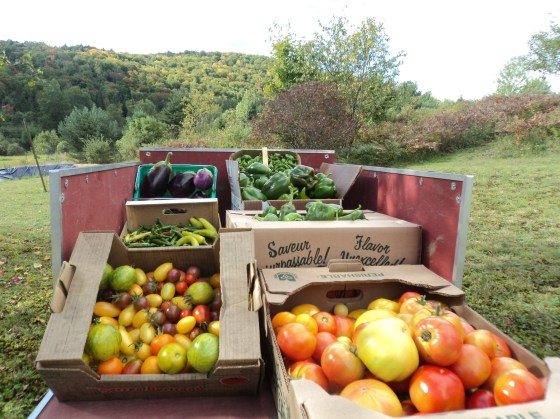
The Humane Party’s Economic Transition Team (ETT) has completed its report comparing vegan-organic agriculture and animal-based agriculture on an acre per acre basis. Using past Humane Party reports as well as USDA, FAO and animal agriculture industry data, we have compiled a series of tables analyzing the needs of the over 9.624 billion land animals that were raised in the United States in 2017 and have reached significant conclusions.