
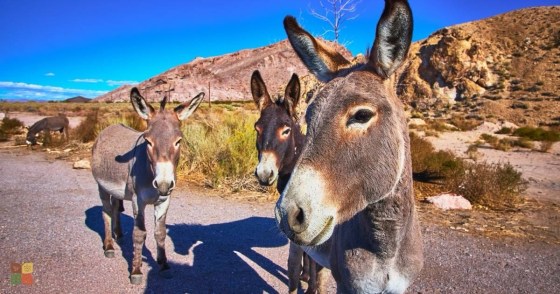
The beer burro trend draws on tradition, because of course it does. When are we going to step out of tradition and finally move on to better things?
where science and ethics intersect with politics
The beer burro trend draws on tradition, because of course it does. When are we going to step out of tradition and finally move on to better things?

We believe every human life has inherent value. Yet history—and our modern obsession with wealth, intelligence, and productivity—reveals how quickly we begin ranking human worth. Who gets to decide which lives matter more, and why are some people still expected to prove their value?

You can align with the core belief of an organization, be grateful it exists, support its work, send money – and still be critical of its choices.

If you’ve been in this movement for a while, you already know these players and storylines. If you are newer, like me, you’ll get a sense of what it feels like to step into a conversation that’s been happening for decades.

The Humane Party is looking beyond a single election cycle, inviting people across the U.S. to explore whether local public office could become part of their advocacy.
When activism becomes physically embodied—through protest, sacrifice, confrontation, and even violence—what does the movement owe the people putting their bodies on the line? Allie Irwin examines that tension, and the choices organizations make when advocacy, accountability, and strategy collide.

The September 18 announcement immediately raised questions about press access and the First Amendment — but exactly what the ban will mean in practice remained unclear Friday evening.
You might remember that I called IP28 the whole vegan enchilada – the end of killing animals in the state of Oregon.
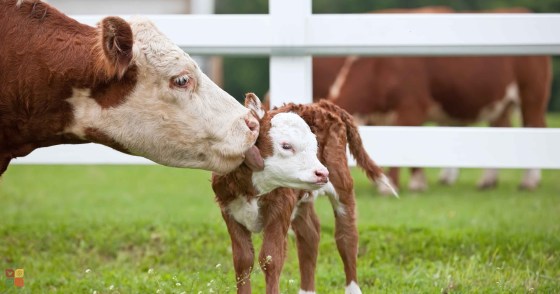
From the Latin comes the Spanish rodear, a “roundup” – the practical, unglamorous work of gathering cattle. American English, with a cowboy twang-drawl, turned rodeo into an “exhibition” and “contest.”

On September 12, animal advocates began walking west from Albany, New York, toward a sprawling property roughly 200 miles away in North Rose. Their destination is Marshall BioResources, a name that means relatively little to much of the American public despite the company’s significant place within the animal-research industry.

“Extreme” can describe a position, but it can also end a conversation before the argument begins. From abolition and suffrage to civil rights and animal advocacy, what society considers extreme has never been fixed.
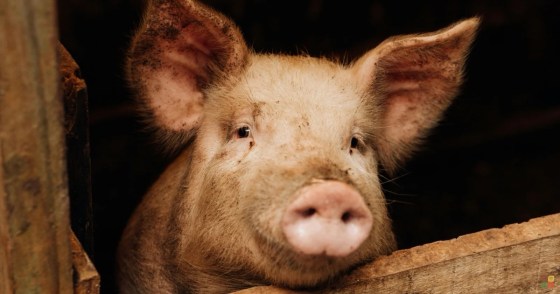
You can help one pig, you can pull up a crate, or you can put down the pork.

Just before dawn tomorrow, shotgun shots will pierce the desert air, ricochet off the boulders and set off an echoing crack! … crack! … crack! …
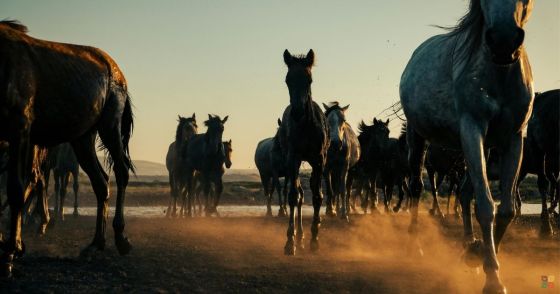
Farming and rodeo have had four decades to evolve – but they still operate on the same principles: animal commodification and corporate exploitation.

For this Listening Lounge reboot, we return to the music of Sherry Zitter with “Animal Blessing Hymn,” a gentle offering dedicated to animals great and small.

The Listening Lounge is a Voices of the Movement series from The Humane Herald, resurfacing music, interviews, spoken word, and other audio worth hearing again.

