
Alexander Hamilton argued that a united economy was essential to a functioning government. Nearly 240 years later, his questions about taxation, trade, and public responsibility remain familiar.

where science and ethics intersect with politics
Alexander Hamilton argued that a united economy was essential to a functioning government. Nearly 240 years later, his questions about taxation, trade, and public responsibility remain familiar.

The Humane Party is looking beyond a single election cycle, inviting people across the U.S. to explore whether local public office could become part of their advocacy.
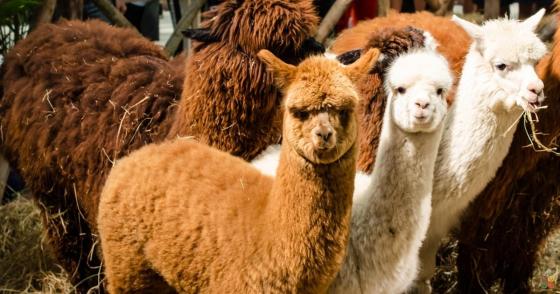
“Welcome to the new era of animal welfare—eligibility determined by intended human use.” ~Thorn & Thistle

The September 18 announcement immediately raised questions about press access and the First Amendment — but exactly what the ban will mean in practice remained unclear Friday evening.
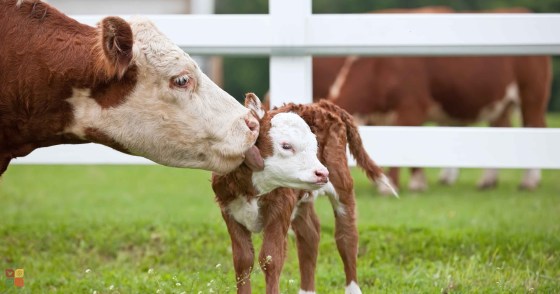
From the Latin comes the Spanish rodear, a “roundup” – the practical, unglamorous work of gathering cattle. American English, with a cowboy twang-drawl, turned rodeo into an “exhibition” and “contest.”

On September 12, animal advocates began walking west from Albany, New York, toward a sprawling property roughly 200 miles away in North Rose. Their destination is Marshall BioResources, a name that means relatively little to much of the American public despite the company’s significant place within the animal-research industry.
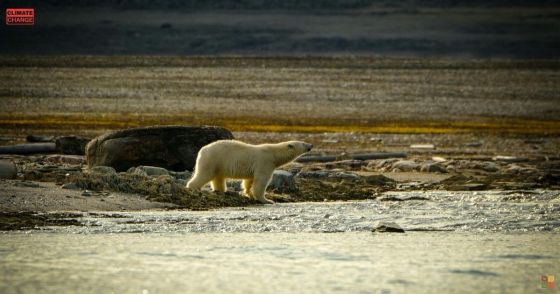
The world is expected to cross the 1.5°C climate threshold, but that does not make further warming inevitable. Every fraction of a degree still matters—for people, animals, ecosystems, and the choices we make next.
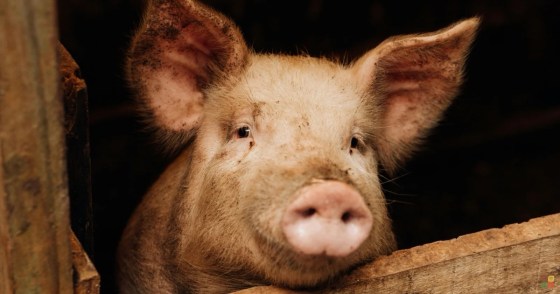
You can help one pig, you can pull up a crate, or you can put down the pork.

Just before dawn tomorrow, shotgun shots will pierce the desert air, ricochet off the boulders and set off an echoing crack! … crack! … crack! …
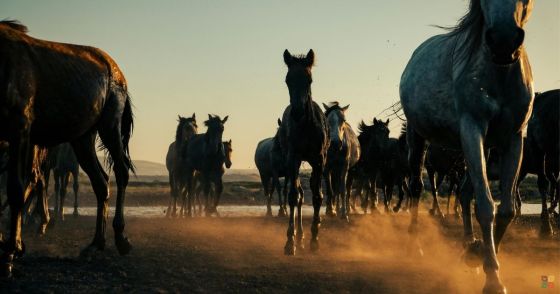
Farming and rodeo have had four decades to evolve – but they still operate on the same principles: animal commodification and corporate exploitation.
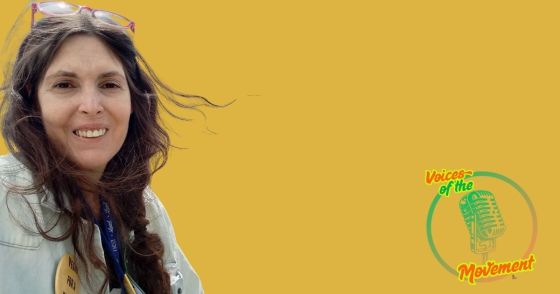
Educator, artist, and longtime vegan advocate Monique Lukens is bringing animal ethics into classrooms, unions, and institutional spaces—one proposal, one question, and one ripple at a time.

The Listening Lounge is a Voices of the Movement series from The Humane Herald, resurfacing music, interviews, spoken word, and other audio worth hearing again.

Black VegFest, Humane Party, political organizing, political allyship, Black community, Black advocacy, vegan advocacy, animal rights, animal liberation, community organizing, coalition building, movement building, New York City, NYC, veganism, food justice, social justice, political activism, community engagement, humane politics, The Humane Herald
The Humane Party is growing—and building a national political movement takes resources. Learn how donations support outreach, candidate development, essential infrastructure, volunteer tools, and humane advocacy.
Did you know there is a global platform dedicated to connecting vegan professionals with values-aligned organizations? The Humane Party is now posting volunteer opportunities on VeganJobs.com, with more roles to come—while our traditional volunteer form remains open to anyone ready to get involved.

Mexico’s ban on captive marine mammals made international headlines, but a quieter legal revolution may prove even more significant. As Mexican courts increasingly recognize the interests of whales and the Rights of Nature, the country is helping redefine humanity’s relationship with the natural world.

