
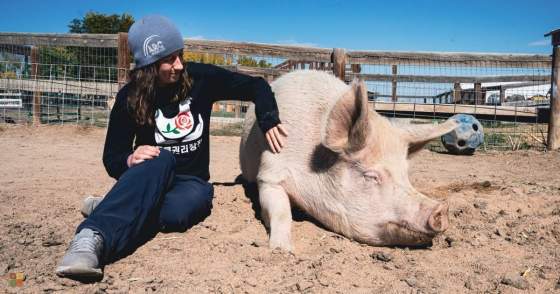
As the lead organizer of Direct Action Everywhere (DxE), Almira is working toward that kind of revolutionary social and political change, and she wants it in one generation.
where science and ethics intersect with politics
As the lead organizer of Direct Action Everywhere (DxE), Almira is working toward that kind of revolutionary social and political change, and she wants it in one generation.
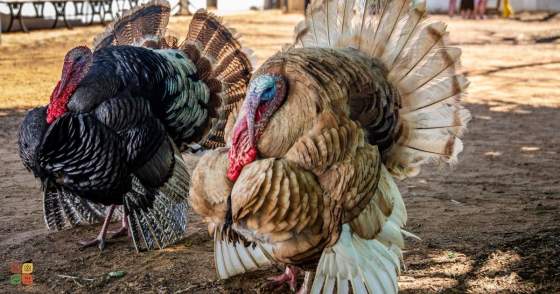
Turkeys served for Thanksgiving are babies. Turkeys can live a decade or more, but they are killed for meat when they reach a certain weight – and that’s usually when they are less than 5 months old. Jimmy and Morrison are about a year old now.
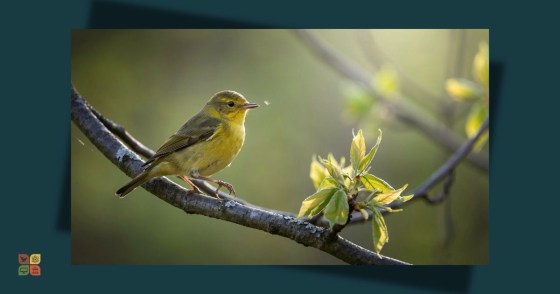
We love some animals, exploit others, and kill still others in the name of protection. From intelligent pigs to dairy cows and endangered owls, we examine how intelligence, economic usefulness, and human preference determine which lives matter—and who gets to make that decision.
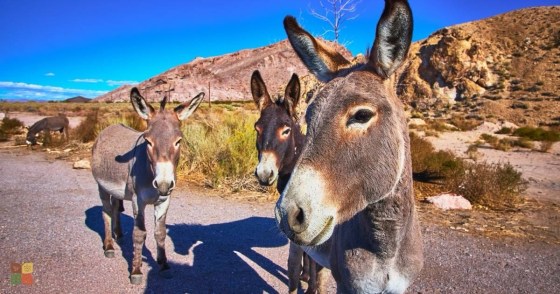
The beer burro trend draws on tradition, because of course it does. When are we going to step out of tradition and finally move on to better things?

We believe every human life has inherent value. Yet history—and our modern obsession with wealth, intelligence, and productivity—reveals how quickly we begin ranking human worth. Who gets to decide which lives matter more, and why are some people still expected to prove their value?

Alexander Hamilton argued that a united economy was essential to a functioning government. Nearly 240 years later, his questions about taxation, trade, and public responsibility remain familiar.

In Federalist No. 11, Alexander Hamilton argues that national unity is essential to economic independence. But does commercial strength guarantee freedom, and whose interests does that strength ultimately serve?

You can align with the core belief of an organization, be grateful it exists, support its work, send money – and still be critical of its choices.

If you’ve been in this movement for a while, you already know these players and storylines. If you are newer, like me, you’ll get a sense of what it feels like to step into a conversation that’s been happening for decades.

If consent is a fundamental ethical principle, what responsibilities do we have toward animals who cannot give it? Exploring bodily autonomy, reproductive control, and the uncomfortable distinction between caring for another being and using their body for our benefit.
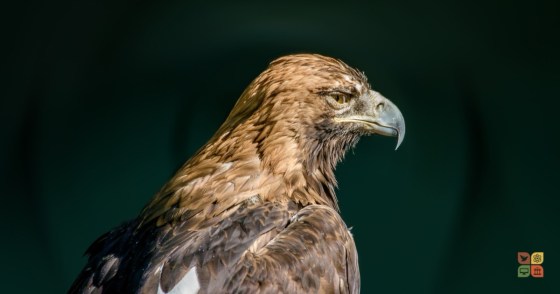
We believe in consent, until believing someone becomes inconvenient. From historical injustices to recent allegations, we examine why women’s bodily autonomy remains a principle society is so quick to question.
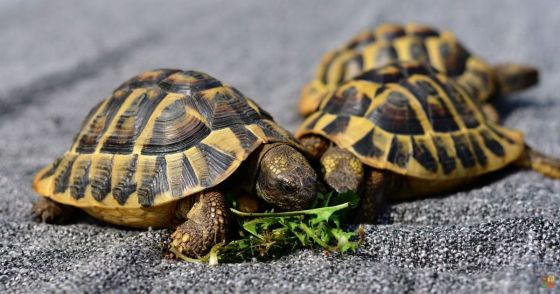
Artist, author, and storyteller Joey Withinarts reflects on the unexpected journey that began with drawing at a receptionist’s desk—and grew into a life shaped by creativity, community, connection, and purpose.

The Humane Party is looking beyond a single election cycle, inviting people across the U.S. to explore whether local public office could become part of their advocacy.
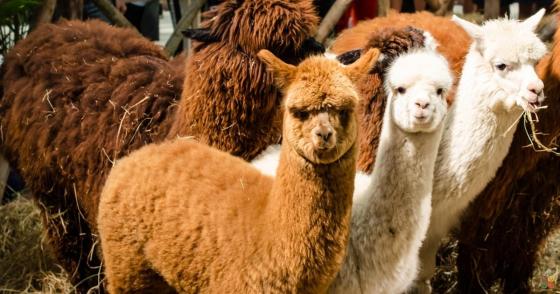
“Welcome to the new era of animal welfare—eligibility determined by intended human use.” ~Thorn & Thistle

When activism becomes physically embodied—through protest, sacrifice, confrontation, and even violence—what does the movement owe the people putting their bodies on the line? Allie Irwin examines that tension, and the choices organizations make when advocacy, accountability, and strategy collide.
The FBI has changed its hiring standards so certain past conduct involving bestiality no longer automatically disqualifies an applicant. Director Kash Patel says the change protects victims of trafficking and abuse—but reporting about the policy raises questions about how the FBI distinguishes victims from perpetrators.

