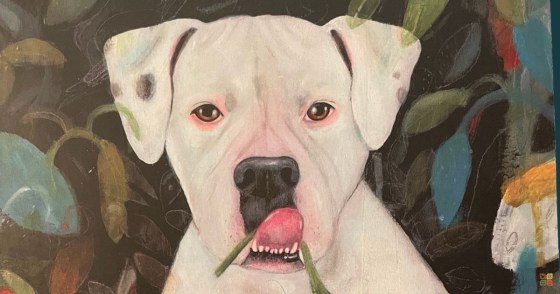
Meet Dori, a spirited vegan Boxer with a love for vegetables and plenty to say about humanity. The Dog Who Ate the Vegetable Garden & Helped Save the Planet blends humor, heart, and compassionate advocacy in a charming story that invites readers to see the world through a dog’s eyes.
Tag: speciesism
World Vegan Day: The Animals Don’t Know It’s November 1st
The animals don’t know it’s World Vegan Day. While we celebrate progress with hashtags, recipes, and inspiring messages, billions of animals face another ordinary day of exploitation. This November 1, we’re looking beyond the celebration to remember who the movement is really for.
The Uncomfortable Parallel: Who Decided Which Lives Matter More?
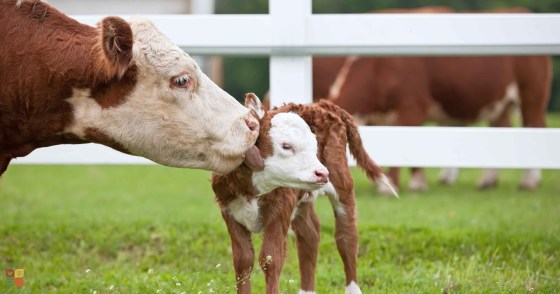
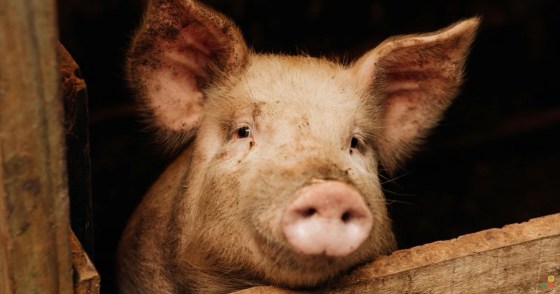
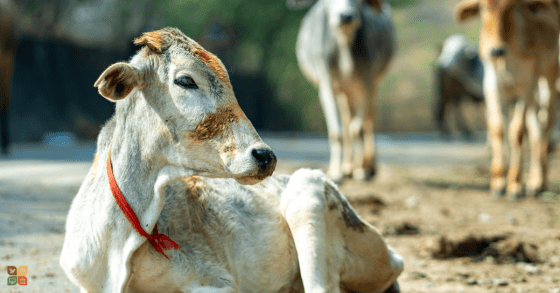
We love some animals, exploit others, and kill still others in the name of protection. From intelligent pigs to dairy cows and endangered owls, we examine how intelligence, economic usefulness, and human preference determine which lives matter—and who gets to make that decision.
If Consent Matters, What About Bodies That Cannot Give It?
If consent is a fundamental ethical principle, what responsibilities do we have toward animals who cannot give it? Exploring bodily autonomy, reproductive control, and the uncomfortable distinction between caring for another being and using their body for our benefit.
beLIEf
From the Latin comes the Spanish rodear, a “roundup” – the practical, unglamorous work of gathering cattle. American English, with a cowboy twang-drawl, turned rodeo into an “exhibition” and “contest.”
Crated
You can help one pig, you can pull up a crate, or you can put down the pork.
The Reality That Disturbs Their Comfort
Why does veganism make some people angry? Jim Mason reflects on the uncomfortable reality animal advocates bring into view—and the comfort that reality can disturb.
Against the Grain: Sitting with Jim Mason’s Madness
A reflection on Jim Mason’s Madness, exploring domination, cultural disconnection, and the unsettling clarity of a worldview that refuses to soften the truth about human systems.
“Processing” and the Disappearance of Violence
In the language of the food industry, animals are not killed—they are “processed.” This Language, Examined piece explores how a single word can remove violence from view, transforming an act into a procedure and reshaping how we understand what’s really happening.
“Free-Range” and the Geography of Comfort
“Free-range” evokes images of open space and animal freedom—but what does it actually guarantee? This Language, Examined piece explores how the term shifts our focus from outcome to environment, offering reassurance while leaving deeper ethical questions untouched.
“Ethical Meat” and the Illusion of Choice
What does “ethical meat” really mean? This Language, Examined piece explores how the phrase reshapes the conversation—shifting focus from whether animals should be killed to how it’s done, and offering reassurance where deeper questions still remain.
“Humane Slaughter” and the Comfort of Contradiction
What does “humane slaughter” actually mean? This Language, Examined piece unpacks how carefully chosen words can soften violence, reduce moral tension, and shape public perception in ways we rarely stop to question.
“Harvest,” “Processing,” and Other Words That Wash Blood Off Our Hands
Words like “harvest” and “processing” are not neutral descriptors—they are carefully chosen euphemisms that sanitize violence and erase victims from public consciousness. By examining the language used to describe animal exploitation, this piece explores how softened terminology shields harm from scrutiny and why precision in language is an ethical act, not a rhetorical one.
Free At Last
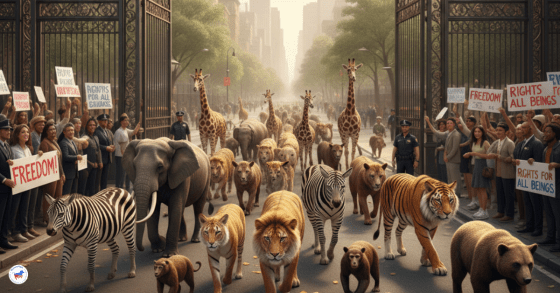
What if animal liberation weren’t confined to courtrooms and campaigns—but passed quietly into law? This satirical illustration imagines a future where New York City recognizes what activists have long argued: freedom is not species-specific. As Bronx Zoo animals walk through open gates and into public life, the cartoon asks a simple, unsettling question—what changes when justice finally applies to everyone?
When Cruelty Becomes a Credential: What the Kristi Noem Puppy Story Reveals About American Political Culture
A leader who kills a puppy and then proudly markets the story is not an anomaly — she is a symptom of a political culture that confuses cruelty with strength. The Kristi Noem scandal is not about a single dog; it is a mirror held up to America’s comfort with harm, hierarchy, and disposability.
The Quiet Revolution or a Quiet Trap?
The FDA’s expanded approval of cultivated meat marks a major shift in U.S. food policy. But beneath the promise of slaughter-free protein lies a harder ethical question: Are we truly ending our exploitation of animals, or simply modernizing it? A technology that begins with the taking of another being’s cells cannot deliver liberation. It can only deliver a cleaner mirror for our existing beliefs.