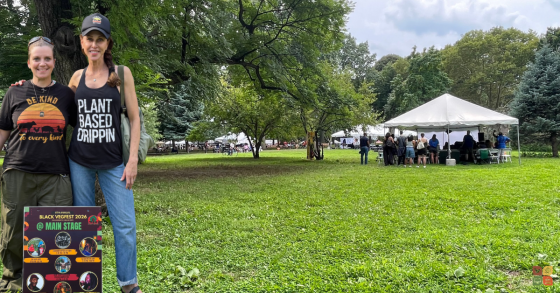
Actress and animal advocate Felicia Greenfield, creator of the Friends Not Food sitcom pilot, featured in The Humane Herald's Voices of the Movement interview.

Felicia Greenfield Wants Animal Advocacy to Make People Laugh First

Actress, writer, and producer Felicia Greenfield discusses the inspiration behind Friends Not Food, ethical filmmaking with sanctuary animals, Hollywood, climate storytelling, and why laughter may be one of the movement’s most powerful tools for change.

A Fourth Group of Vegan Villagers

Originally published in Vegan Villager, Sherry Jeppson Zitter reflects on the often-overlooked humanitarian path to veganism, arguing that concern for world hunger and global justice can be just as powerful a catalyst for compassionate living as concern for animals, health, or the environment.

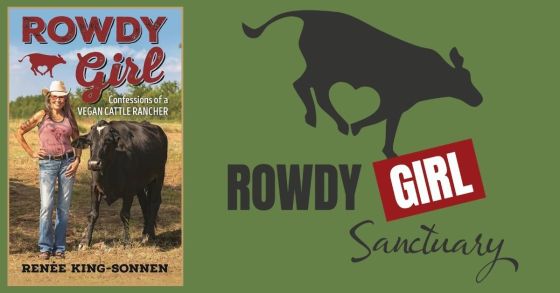
Renee King-Sonnen featured alongside the cover of Rowdy Girl: Confessions of a Vegan Cattle Rancher and the Rowdy Girl Sanctuary logo.

Renee King-Sonnen and the Ranch That Changed Sides

Before Renee King-Sonnen became a sanctuary founder, she lived on the other side of the fence. Her journey from Texas cattle ranch life to founding Rowdy Girl Sanctuary is a story of moral transformation, radical compassion, and the courage to challenge everything she once believed about animals, food, and the systems that profit from both.

Animal Cruelty Prevention Month: Prevention Requires Abolition

Animal Cruelty Prevention Month encourages compassion—but rarely asks the deeper question: can cruelty truly be prevented within systems that require it to function? When harm is built into the structure, reducing it is not the same as eliminating it. This piece explores the limits of prevention, the role of language in shaping perception, and why meaningful change may require more than reform—it may require abolition.

Meatwashed Media: How the Press Protects Animal Agriculture

The media exhibits systemic bias, protecting the animal agriculture industry while neglecting its adverse impacts on animals, the environment, and public health. This “meatwashing” obscures the truth about exploitation and violence in slaughterhouses. A media revolution is essential to challenge this narrative and promote ethical reporting on these pressing issues.