Animal Cruelty Prevention Month: Prevention Requires Abolition

Animal Cruelty Prevention Month encourages compassion—but rarely asks the deeper question: can cruelty truly be prevented within systems that require it to function? When harm is built into the structure, reducing it is not the same as eliminating it. This piece explores the limits of prevention, the role of language in shaping perception, and why meaningful change may require more than reform—it may require abolition.

America’s Wild Horses & Burros in Crisis

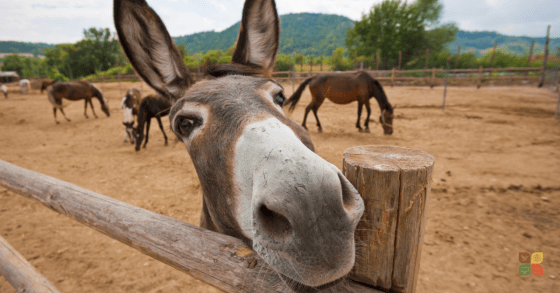
A recent UnchainedTV emergency town hall spotlighted the growing crisis facing America’s wild horses and burros. Through the Humane Party’s ethical and abolitionist lens, this article examines how federal management practices, land-use policy, and transparency failures intersect to shape the fate of these legally protected herds—and what their struggle reveals about governance, stewardship, and the treatment of vulnerable beings.

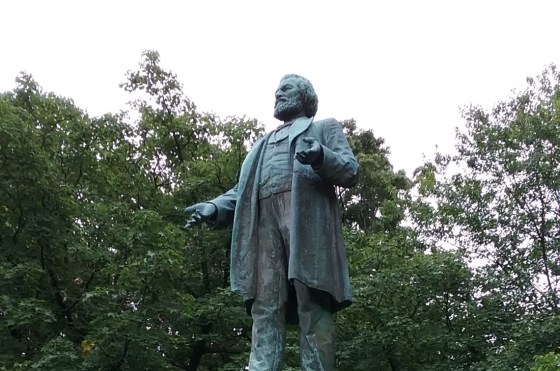
Frederick Douglass monument

The Abolitionists (2013), Amazing Grace (2006), and Schindler’s List (1993): Recommended Viewing

History holds a treasure trove of resources for vegan, abolitionist, animal rights activists, but many of these resources remain untapped by the movement.  This omission can, one hopes, be partly remedied through articles and film dramatizations pointing to information about moments in history from which readers and viewers can extract valuable lessons, glean techniques, and draw moral support.

Humane Party Jobs Report: Assessing the Exploitation of Animals in the United States’ Agriculture, Food, and Related Industries Sectors

In 2017 the United States raised over 9.63 billion land-based animals. This number includes cows, veal (baby cows), cows for their milk, chickens, chickens for their eggs, turkeys, goats and sheep (both for their meat and their wool). There are also aquatic species (both wild and cultivated) as well as bees for honey. This massive industrial raising of animals for food and fiber requires a complex system of workers. Not all jobs are equal in their exploitation of the specific animal species. In order to fully assess which jobs are most exploitative, we have created a classification system.

Reviving the Abolition Party’s Logo

Prior to launching on Earth Day (April 22), 2009, the Humane Party had three alternative names: the “Vegan Party,” the “Abolition Party,” and the “Humane Party.” While the name was under debate, a logo was designed for the Abolition Party. Activists are welcome to reactivate this dormant logo, where appropriate.

How Would You Like to Be the Humane Party’s Candidate for President of the United States?

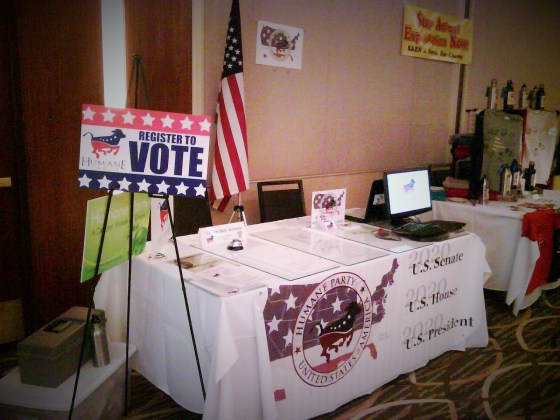
Have you ever thought, “If only I were President of the United States”? Imagine all the possibilities, the changes that could be made. To end suffering as much as humanely possible. To see liberation and equality for all. How about bringing these thoughts to fruition? The Humane Party is holding for the first time in its existence a Presidential Primary for the 2020 Presidential election.

Celebrating Abolition Day 2018

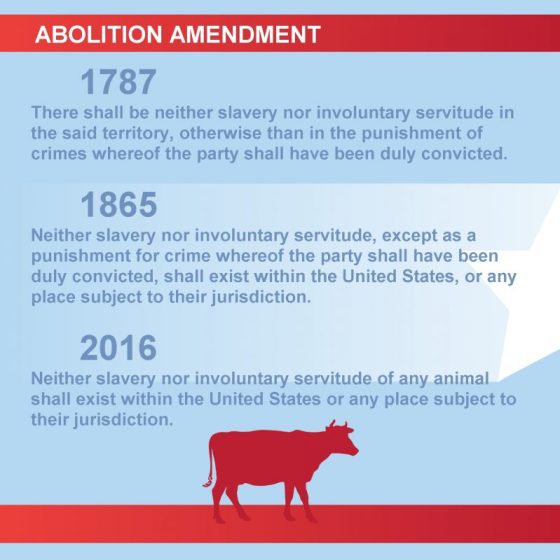
This Thursday, December 6, 2018, marks the third annual celebration of Abolition Day. Abolition Day was launched by the Humane Party in 2015 both (i) to commemorate the end of human slavery in the United States (1865) and (ii) to promote the abolition of all slavery. The date of December 6 was chosen for this national celebration because it was on this day in 1865 that the number of states necessary to ratify the 13th Amendment was reached.