
A bunch of booted cowgirls clicked their spurs together at the podium and begged the town council to bring back their rodeo. I’ve been trying to make sure that doesn’t happen ever since.
where science and ethics intersect with politics
A bunch of booted cowgirls clicked their spurs together at the podium and begged the town council to bring back their rodeo. I’ve been trying to make sure that doesn’t happen ever since.
In the first installment of Mission: Abolition, Allie Irwin reflects on horses, a wild bird, and the uncomfortable work of aligning our relationships with animals to the values we say we hold.

A podcast. A tick bite. A difficult question. In this thoughtful essay, Alison Irwin explores alpha-gal syndrome, ethics, and why changing what we eat doesn’t always change what we believe.

Independent vegan media reached a major milestone this week as UnchainedTV secured 19 wins at the 2026 Telly Awards, signaling a broader cultural shift toward ethical entertainment and values-driven storytelling. From cooking shows and travel series to investigative animal-rights programming, the award sweep reflects how vegan media is increasingly moving beyond activist niches and into the mainstream cultural landscape.
Conducted by the Nevada County Humane Association (NCHA), the “Animals & Environment” survey was distributed to candidates across party lines.
Across history, movements have reshaped public consciousness, but lasting change has typically followed only when that awareness was carried into structured political action—through organized leadership, coordinated strategy, and the development of enforceable policy.
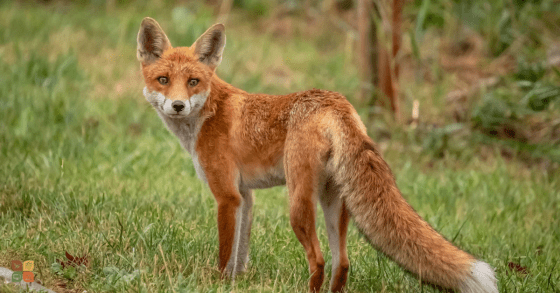
At the edge of the forest, where the trees thinned and the air carried the scent of iron, the fox found it—half-buried, rusted, waiting. She had never seen such a thing before, but something older than memory told her to step back. And when she did, she began to see what others could not.
A U.S. citizen was killed during a federal immigration operation she was not the target of. Within hours, the state rewrote the narrative to justify her death. This editorial examines the killing of Renee Good, the role of ICE, and why reform is no longer enough.
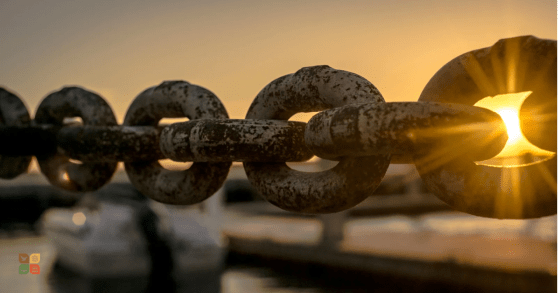
Abolition Day marks the ratification of the 13th Amendment—an end to legal slavery, but not an end to the forces that shaped it. For the Humane Party, this day is both remembrance and responsibility, a reminder that abolition was a beginning and that the deeper work of justice remains unfinished.
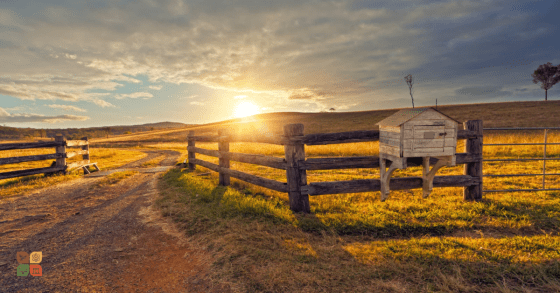
In The Fence Remembers, the author tells an allegorical tale of liberation and memory through the eyes of a farm animal who escapes captivity and discovers the living truth of freedom. The debut story from Fables from the Free Earth, The Humane Herald’s new fiction column, where imagination reclaims the wild within.
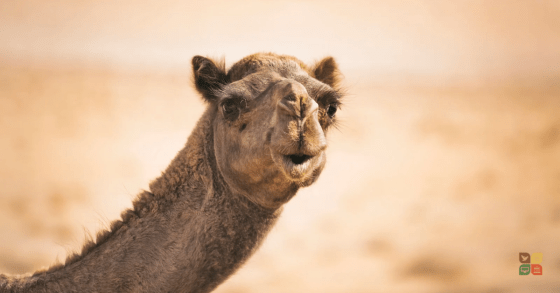
World News Wednesday – October 2025 covers the month’s key animal-rights developments—from California’s declawing ban and India’s cultural exemptions to Korea’s Animal Protection Day and Jane Goodall’s legacy.
The shadows do not silence, they sharpen the heart.
For in the dimmest places is where truth is most raw,
and love most needed.
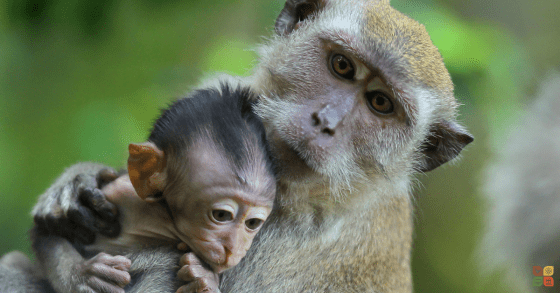
Anniversaries provide a moment to reflect on the many activist achievements that have already been accomplished, to appreciate how far we’ve come. People who would like to help build upon these milestones are invited to be in touch with the Humane Party and indicate your interest.
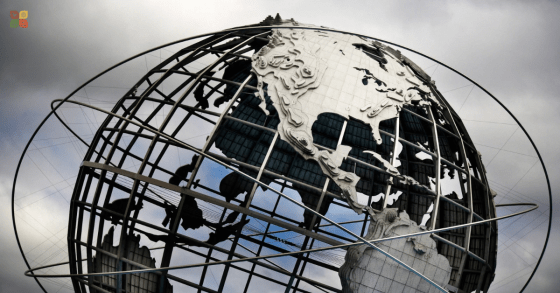
From climate disasters costing billions to Texas’ cultivated meat ban, this week’s World News Wednesday tracks the rising toll of extreme heat, food-system battles, and shifting policies for animals and communities worldwide.
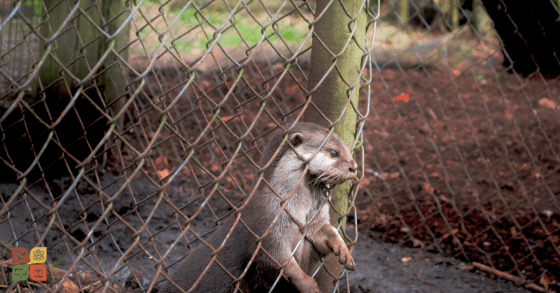
The world teaches us that freedom is a privilege, parceling out the sky as though the clouds were owned. A … More
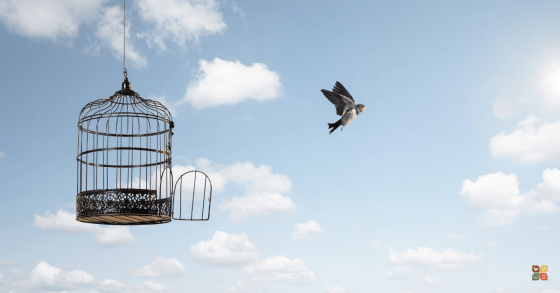
Uncaged Verses: The Humane Herald’s new poetry series begins with a powerful symbol — a bird flying free from an open cage. Poetry that breaks silence and speaks for the voiceless.

