
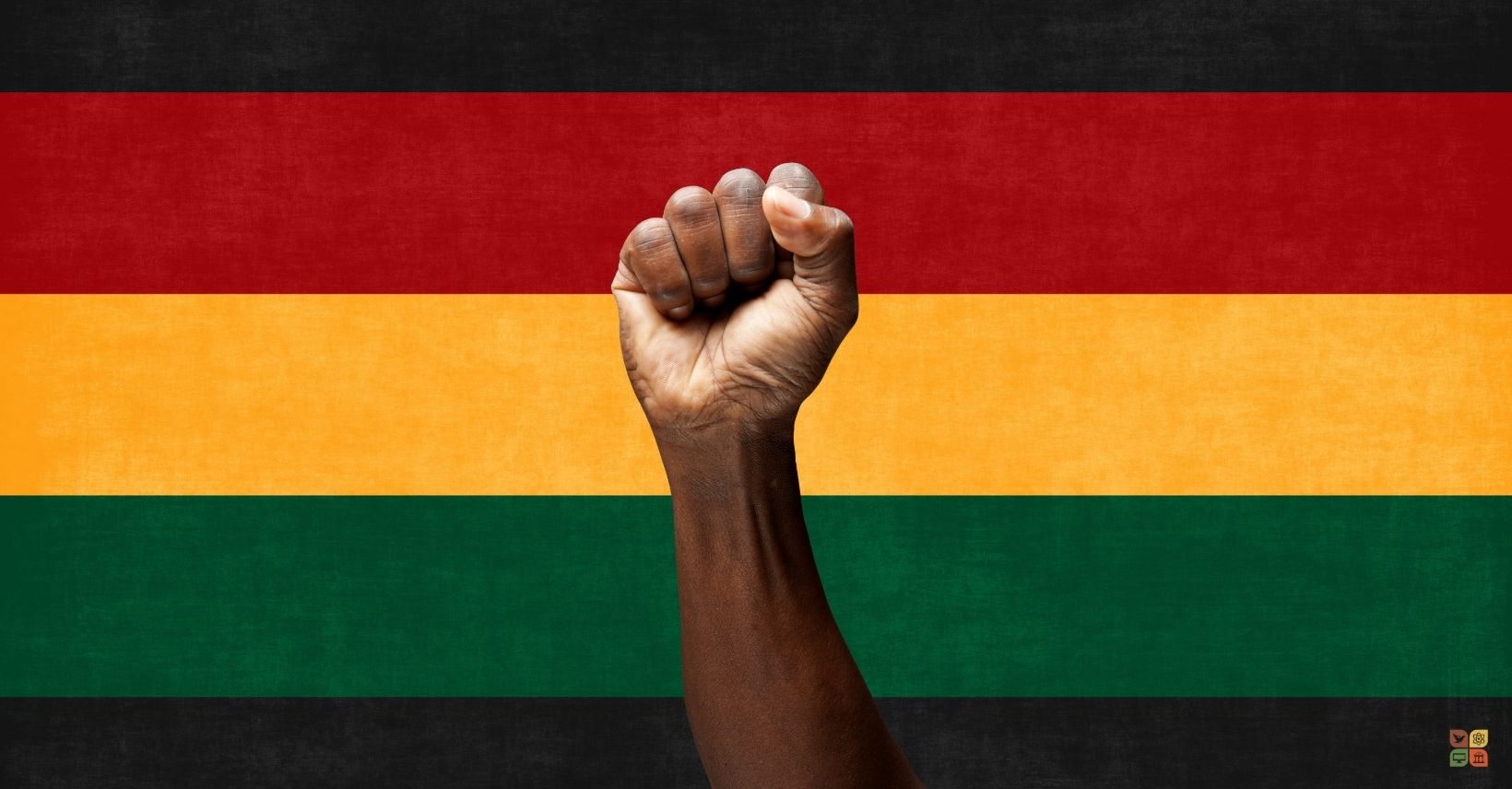
Honoring freedom means confronting the systems that delayed it, profited from its denial, and still resist repair.
Juneteenth is often described as a celebration of freedom. It is that. But it is also a record of delay.
On June 19, 1865, Union troops arrived in Galveston, Texas, and announced that enslaved Black people there were free. The Emancipation Proclamation had been issued more than two years earlier. The Civil War had ended. The Confederacy had collapsed. Yet freedom still had to be delivered, enforced, and defended against those who had benefited from keeping human beings in bondage.
That delay is not a historical technicality. It is the heart of the lesson.
Juneteenth reminds the United States that justice announced is not always justice received. A law can change before a life changes. A nation can claim progress while leaving the oppressed to wait for the enforcement of rights that should never have been denied.
For the formerly enslaved people of Texas, Juneteenth became a day of remembrance, reunion, worship, food, music, and joy. It became a Black American freedom tradition long before the federal government recognized it. Families and communities preserved the meaning of the day through generations, carrying forward a truth the country too often tried to soften: freedom was not handed down by benevolent power. It was fought for, survived into, and claimed.
Today, Juneteenth is a federal holiday. That recognition matters. But recognition is not repair.
A nation cannot honestly honor Juneteenth while avoiding the deeper consequences of slavery, segregation, racial terror, stolen labor, land theft, voter suppression, mass incarceration, and economic exclusion. It cannot celebrate emancipation while treating the afterlife of slavery as something safely buried in the past. It cannot decorate itself in the language of freedom while refusing to confront the systems that still decide whose lives are protected, whose labor is exploited, and whose suffering is normalized.
This is where remembrance must become policy.
The Humane Party’s Genocide Recognition, Reparations, and Reconciliation framework speaks to this unfinished moral obligation. It recognizes that historic atrocities require more than symbolic acknowledgment. They require truth-telling, restitution, institutional reform, and the removal of public honors granted to enslavers, imperialists, and architects of oppression.
Juneteenth fits within that larger demand for moral clarity. It is a day that exposes the distance between legal proclamation and lived liberation. It asks whether the country is willing to move beyond ceremonial inclusion and toward repair.
It also belongs in conversation with Abolition Day, December 6, the anniversary of the ratification of the Thirteenth Amendment. Juneteenth marks the delayed enforcement of emancipation in Texas. Abolition Day marks the constitutional abolition of slavery across the United States.
Both dates matter.
Juneteenth carries the memory of people who were kept enslaved after freedom had already been declared. Abolition Day carries the national and legal weight of ending slavery as an institution. Yet even the Thirteenth Amendment contains an exception for involuntary servitude as punishment after conviction—language that should trouble any nation claiming abolition as complete.
That exception is not merely a phrase from the past. It is a doorway.
It is one reason conversations about prison labor, racialized policing, disenfranchisement, and the criminal legal system belong in any serious discussion of abolition. It is one reason Juneteenth cannot be reduced to a holiday post, a sale, a slogan, or a day off. If the country is going to commemorate freedom, it must also confront the ways unfreedom has been renamed, repackaged, and preserved.
For the Humane Herald, Juneteenth also carries a broader ethical lesson: systems of domination depend on the power to define others as property, labor, threat, or resource. Chattel slavery in the United States was a specific atrocity rooted in anti-Black racism, colonialism, capitalism, and white supremacy. Its history must never be blurred or generalized into abstraction.
But understanding that history clearly should sharpen our moral vision, not narrow it. It should make us more capable of recognizing how oppression works: through law, language, profit, violence, and denial.
Juneteenth calls us to remember that freedom delayed is freedom denied.
It also calls us to ask what freedom requires after the announcement has been made. Repair. Redistribution. Representation. Education. Protection of voting rights. Abolitionist reform. Honest public memory. The removal of honors from those who built power through subjugation. A willingness to tell the truth without sanding down its edges.
Last year, the Humane Herald reflected on Juneteenth as both a celebration and a call to consciousness. This year, the call is sharper: remembrance must become repair.
To honor Juneteenth is to honor Black survival, Black joy, Black memory, and Black leadership. It is also to reject the comfort of symbolic progress when structural injustice remains intact.
Freedom was delayed once by those who refused to surrender power.
Justice is delayed now when remembrance is not followed by action.
Juneteenth deserves more than acknowledgment. It deserves the work.

