Flat lay of menstrual pads, pills, and pink flowers on a light blue background, representing women’s health and menstrual care.

When Women’s Health Is Treated as an Afterthought

When trace metals were detected in tampons, panic wasn’t the real problem — policy failure was. The viral reaction exposed a deeper truth: menstrual products used inside the body for thousands of hours over a lifetime remain under-regulated, under-researched, and insufficiently transparent.

America’s Debt Reckoning: Why Fiscal Ethics Must Lead the Way

The United States finds itself with war-level debt in peacetime, a generational burden no child asked for, and a currency system that rewards the rich and punishes the rest. If we do not restore fiscal ethics, the vulnerable will be the first to be sacrificed—human, non-human and environmental alike. The time for leadership is now.

Rethinking Pearl Harbor Through a Humane Lens

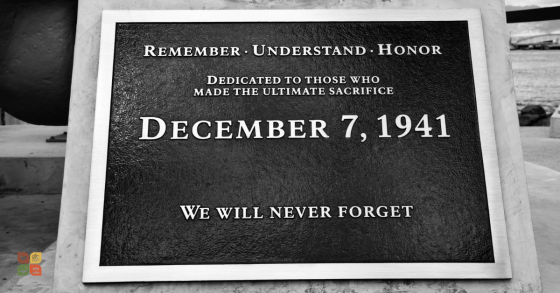
On December 7, America remembers Pearl Harbor—but remembrance means more than ritual. The Humane Herald examines the war’s true cost: human suffering, environmental devastation, emergency powers, and the birth of a militarized state. To honor history, we must confront the systems that make war inevitable—and choose a humane alternative.

Why Rainforest Survival Is a Human and Animal Rights Emergency

On December 5, The Humane Herald examines the accelerating destruction of the world’s rainforests—and the political and economic systems driving it. From Indigenous displacement to mass extinction, rainforest collapse is not a natural disaster but a policy choice. A humane future demands abolition of the industries fueling this crisis.

Cheetahs, Conservation, and the Politics of “Charismatic” Wildlife

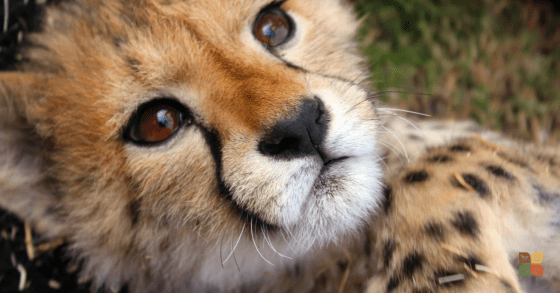
On World Wildlife Conservation Day and International Cheetah Day, The Humane Herald examines the crisis facing cheetahs and the global systems driving wildlife decline. Beyond charismatic species, true conservation demands dismantling the industries and worldviews that treat animals as resources rather than beings with rights.

When Cruelty Becomes a Credential: What the Kristi Noem Puppy Story Reveals About American Political Culture

A leader who kills a puppy and then proudly markets the story is not an anomaly — she is a symptom of a political culture that confuses cruelty with strength. The Kristi Noem scandal is not about a single dog; it is a mirror held up to America’s comfort with harm, hierarchy, and disposability.

Black Friday Without Buying: The Rise of the Consumer Blackout Movement

A growing movement is calling for a full consumer blackout over Black Friday weekend—urging people to skip the sales and resist the hyper-capitalist pressure to buy. The blackout shines a light on exploitative labor, environmental damage, psychological manipulation, and the animal suffering embedded in the holiday retail spike. Through the Humane Party lens, it’s an act of ethical realism: choosing not to feed a system built on harm.

The Quiet Revolution or a Quiet Trap?

The FDA’s expanded approval of cultivated meat marks a major shift in U.S. food policy. But beneath the promise of slaughter-free protein lies a harder ethical question: Are we truly ending our exploitation of animals, or simply modernizing it? A technology that begins with the taking of another being’s cells cannot deliver liberation. It can only deliver a cleaner mirror for our existing beliefs.

When Human Rights Are Turned Upside Down

The State Department’s new directive classifying abortion access and DEI programs as potential human-rights violations marks a major shift in U.S. foreign-policy language. By reframing reproductive autonomy and equity initiatives as infringements on “God-given rights,” the policy reverses long-standing human-rights interpretations and raises constitutional concerns. This editorial examines the implications of the directive, its conflict with the Ninth Amendment, and its potential impact on global human-rights reporting.

Eyes in the Slaughterhouse: Why Transparency Terrifies the Industry

UnchainedTV’s call for mandatory cameras inside slaughterhouses has reignited a national debate on transparency, ethics, and power. While mainstream “humane” groups stay silent, the Humane Party argues that true oversight isn’t reform — it’s revelation.

Of Empires and Ethics

Even the most ethical movements risk becoming empires when ego replaces empathy. Of Empires and Ethics examines how control masquerades as coordination, how loyalty becomes a test, and how humane leadership requires more than good intentions—it demands humility.