Wildlife Services Is Not on the Side of Wildlife

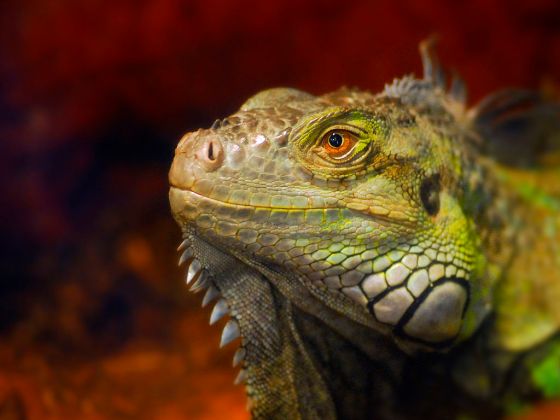
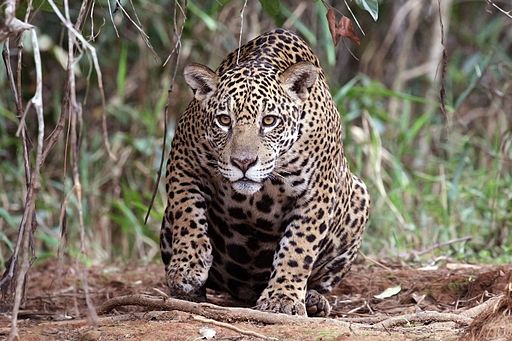
The federal Wildlife Services program killed 2.7 million animals in 2016. In its annual “kill report,” the agency data shows that 1.6 million of the 2.7 million deaths were of native wildlife species. Wildlife Services maintains that it “manages the damages” caused by so-called invasive species, yet less than half of the animals in the report are actually considered invasive. The Center for Biological Diversity asserts that of the almost 3 million animals killed yearly, many are unintentional kills that include household pets.
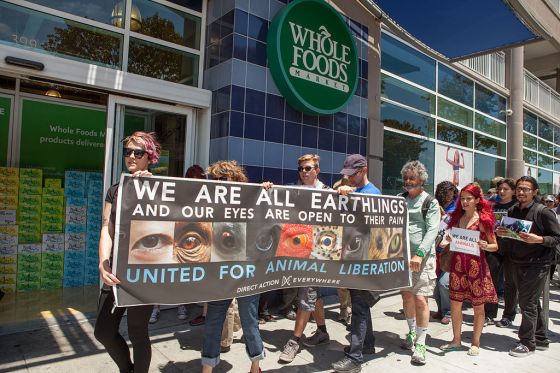
The Criminalization of Animal Rights Activism

Is supporting animal rights terrorism? Is nonviolent activism terrorism? According to some interpretations of the Animal Enterprise Terrorism Act (AETA), they are.

When You Think You’ve Heard It All

It’s likely that your coconut-infused products are made with coconuts gathered by child slave labor, that is, the labor of baby primates. Their mothers have been murdered. They’re then chained, whipped and beaten into submission. They are hung by the neck to develop strong back legs. Why? Because they can then pick 1200 coconuts each day in contrast to humans who can only pick a few hundred each day.

Death by Plastic

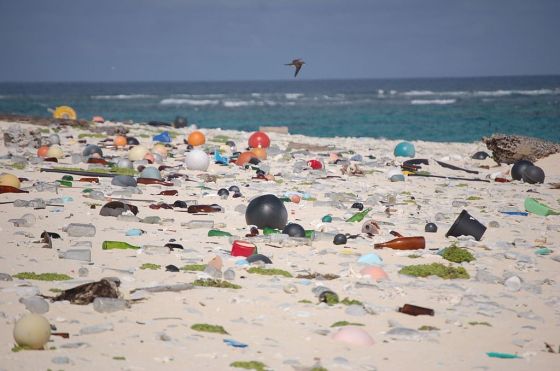
The North Pacific Gyre is an area twice the size of the state of Texas where marine debris—human-generated litter and garbage—stretches from the West Coast of North America to Japan. Plastic debris causes the deaths of more than a million seabirds every year, as well as more than 100,000 marine mammals.

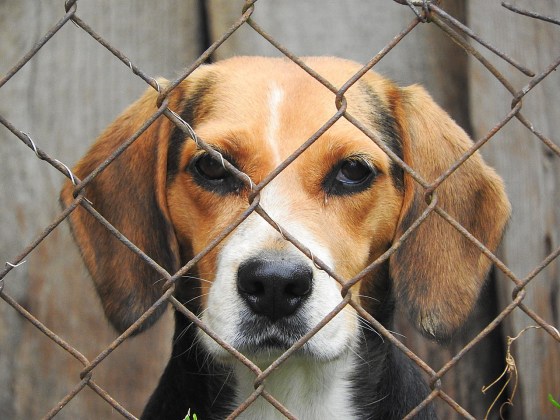
San Francisco Board of Supervisors Unanimous for Rescue Animals

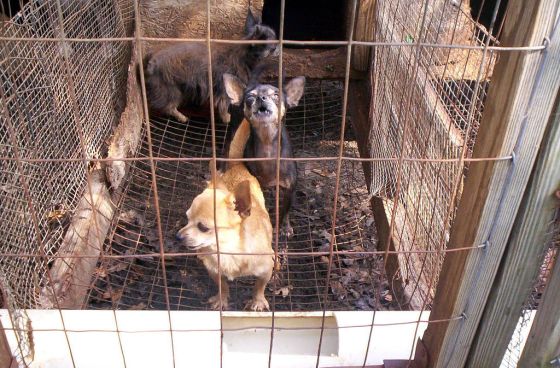
On February 14 the San Francisco Board of Supervisors voted unanimously to amend the city’s health code, banning the sale of dogs and cats in pet stores unless they are obtained from animal shelters or animal rescue organizations.

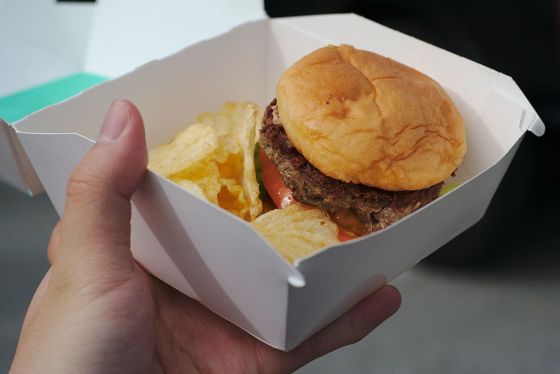
University Students on a Mission to Create Plant-Based Meat Alternatives

The University of California, Berkeley (UCB) has developed a partnership with the Good Food Institute and UCB’s Sutardja Center for Entrepreneurship and Technology (SCET) that challenges students to develop plant-based meat alternatives in a semester-long course.