2025 Animal Year in Review: Policy Shifts, Global Labels, and Rising Scrutiny of Exploitation

From global food labels to wild-horse roundups, 2025 pushed animal issues into the center of climate, policy, and public-health debates. New transparency laws, plant-based investment, companion-animal protections, and growing scrutiny of industrial livestock marked a year in which governments could no longer ignore the ethical and environmental costs of animal exploitation.

America’s Debt Reckoning: Why Fiscal Ethics Must Lead the Way

The United States finds itself with war-level debt in peacetime, a generational burden no child asked for, and a currency system that rewards the rich and punishes the rest. If we do not restore fiscal ethics, the vulnerable will be the first to be sacrificed—human, non-human and environmental alike. The time for leadership is now.

Rethinking Pearl Harbor Through a Humane Lens

On December 7, America remembers Pearl Harbor—but remembrance means more than ritual. The Humane Herald examines the war’s true cost: human suffering, environmental devastation, emergency powers, and the birth of a militarized state. To honor history, we must confront the systems that make war inevitable—and choose a humane alternative.

Democrats’ Appropriation of the Name “Abolition Amendment” Is Misleading and Problematic

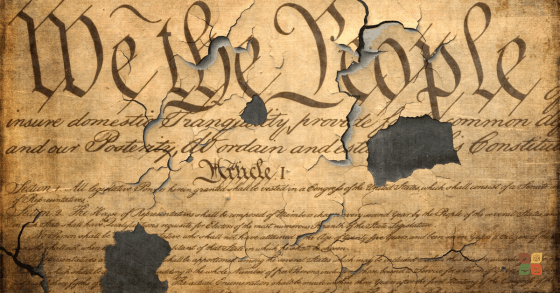
Democrats’ recent attempt to brand their proposal as the “Abolition Amendment” obscures the term’s established meaning and appropriates language created by the Humane Party years earlier. While removing the 13th Amendment’s punishment clause is necessary, it is not abolition — not when the slavery of non-human beings remains fully intact. By co-opting a name that already denotes the complete end of slavery for all creatures, the proposal risks misleading the public and diluting a central pillar of the animal rights movement.

the ones who were never meant to rise

A rising voice speaks from the margins, where humans and animals share the same bruised earth and the same hunger for freedom. This poem follows the underdogs—the silenced, the overlooked—as they discover the rebellious power of standing up together.

Lancaster Farm Sanctuary

Lancaster Farm Sanctuary is reshaping what sanctuary work means inside one of Pennsylvania’s most agriculturally entrenched counties. In this in-depth conversation, the LFS team reflects on their origins, the daily rituals that center animal agency, the emotional weight of rescue work, and the communities that make their mission possible. From piglets teaching elders how to play to ponies who insist on freedom during their evening return, every story underscores the same truth: when animals are given safety, autonomy, and respect, they reveal who they have always been. This interview offers a rare, honest look at the joys and struggles of sanctuary life—and what compassion can build when a community chooses to care.

Why Rainforest Survival Is a Human and Animal Rights Emergency

On December 5, The Humane Herald examines the accelerating destruction of the world’s rainforests—and the political and economic systems driving it. From Indigenous displacement to mass extinction, rainforest collapse is not a natural disaster but a policy choice. A humane future demands abolition of the industries fueling this crisis.

When Compassion Is Criminalized

Animal rescuer Zoe Rosenberg faces a 90-day jail sentence — and potentially life-threatening medical neglect — for saving four suffering chickens from a Perdue slaughterhouse. Her case exposes a deeper crisis in California: the criminalization of compassion and the protection of corporate cruelty at any cost.

Cheetahs, Conservation, and the Politics of “Charismatic” Wildlife

On World Wildlife Conservation Day and International Cheetah Day, The Humane Herald examines the crisis facing cheetahs and the global systems driving wildlife decline. Beyond charismatic species, true conservation demands dismantling the industries and worldviews that treat animals as resources rather than beings with rights.

When Cruelty Becomes a Credential: What the Kristi Noem Puppy Story Reveals About American Political Culture

A leader who kills a puppy and then proudly markets the story is not an anomaly — she is a symptom of a political culture that confuses cruelty with strength. The Kristi Noem scandal is not about a single dog; it is a mirror held up to America’s comfort with harm, hierarchy, and disposability.

The Rules of War: What They Are, Why They Exist, and Why They Are Crumbling

In the wake of escalating global conflicts, the rules of war remain clear — yet increasingly ignored. This article examines what international humanitarian law actually requires, why war crimes are legally defined and not subjective, and how powerful nations have begun eroding the very principles designed to protect civilians. As civilian casualties rise and accountability fades, the world is left with an unsettling question: if these are the rules of war, who is still following them?