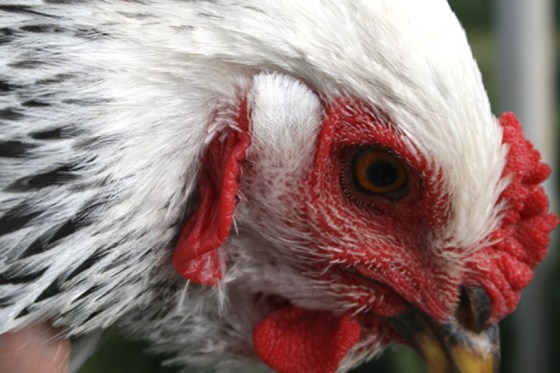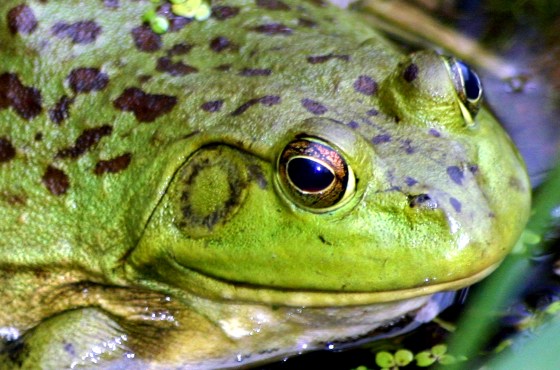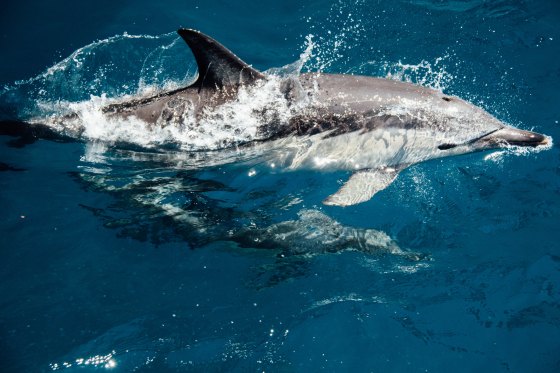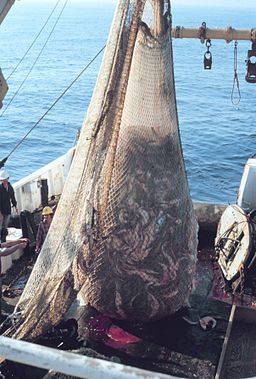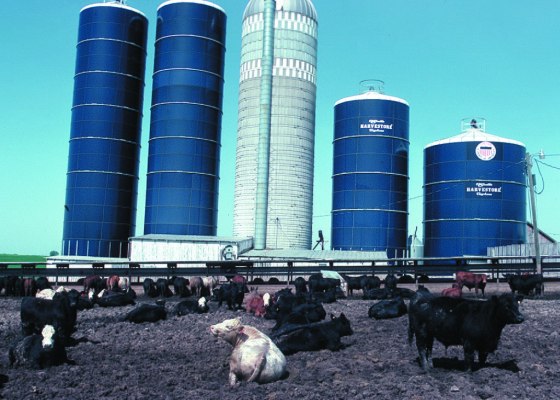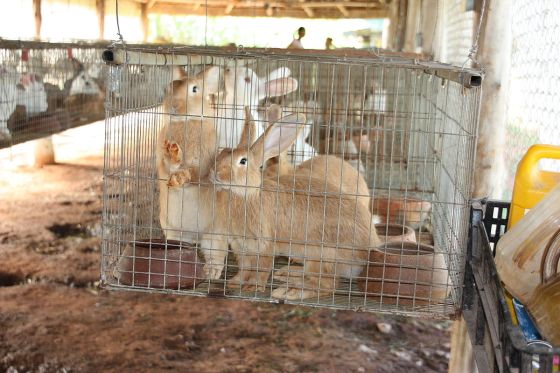
The Humane Party’s Economic Transition Team has completed its report on live animal trade in the United States. The purpose of this report is to put together for the first time in one place the vast United States live animal trade industry data. It is meant to highlight the number of animals from all species who are both exported from and imported to the United States. The report also seeks to document the more than $3.5 billion U.S. industry that is the live animal export and import trade and to draw attention to the countries in which this trade is occurring.
Category: animal exploitation
Her Secret
A poem on abused hens by guest contributor Heather Leughmyer
Animal Cruelty Inherent in Animal Dissection in Schools
About 6 million vertebrate animals are dissected every year in high schools across the United States. This figure does not include elementary schools, middle schools, or colleges and universities. A similar number of invertebrate animals are also dissected in schools. Some of these animals are experimented upon while still alive. About 170 types of animals are used, the most common being frogs, fetal pigs, and cats.
North America’s First Dolphin Sanctuary
The National Aquarium in Baltimore, Maryland is undertaking groundbreaking changes in the way they care for the dolphin colony raised in captivity at the facility. With a mission to “advance understanding and protection of cetaceans by offering a natural environment in which the colony of dolphins in (their) care will thrive,” the aquarium is establishing the first dolphin sanctuary in North America. The colony of 8 dolphins will be moved by the year 2020 from the 35-year old Inner Harbor attraction at the Marine Mammal Pavilion.
Members of the European Parliament Vote to Ban Electric Pulse Fishing
The European Parliament voted on January 16, 2018 for a ban on the controversial fishing practice of electric pulse fishing, in which electrically charged lines are dragged just above the sea floor, stunning marine life up into trawling nets. The Members of the European Parliament (MEPs), the only directly elected body to represent the European Union (EU), voted 402 to 232 in favor of the ban.
Norway Pledges Fur Farming Ban
The newly formed coalition government of Norway, led by Conservative Prime Minister Erna Solberg, announced on January 14, 2018 a pledge to end all fur farming in Norway, with the phase-out complete by 2024/2025. Norway is the 14th European nation to phase out fur farming. Belgium, Germany, and Luxembourg are also considering legislation to ban fur farming. The United Kingdom was the first to institute a ban in 2000, followed by Austria in 2004.
Soybean’s Potential
Could the soybean be the best possible food for us? It may very well be. A pound of boiled soybeans delivers 82.67g of protein, 463 mg of calcium and over 23 mg of iron, along with many other essential vitamins and minerals. It may also be the most efficient source of protein that can be produced for us to consume anywhere in the world.
First Amendment Victory for Animal Activists in Idaho
In a split decision on Idaho’s 2012 “ag-gag” law, the U.S. Court of Appeals for the Ninth Circuit ruled on January 4, 2018 that audio and visual recordings in animal agricultural facilities could not be prohibited by the state, upholding an earlier ruling that invalidated the Idaho law for violating free speech. The January 4th ruling is a partial victory for animal activists.
Making Fashion Cruelty-Free
Fashion industry icon Michael Kors has joined the list of designers who will no longer use fur in their fashion lines. Kors follows on the recent announcement by the Italian industry giant Gucci that they will begin phasing out fur starting in the spring of 2018. Unfortunately, fur products are sometimes mislabeled as fur-free.
Distribution of Animals Used for Agriculture and Manure Generated: Ratio of Manure to Land Application–Conclusions and Findings
The Humane Party’s Economic Transition Team has completed its report analyzing the manure generated from animals. The purpose of the document is to understand the daily generation of animal manure due to animal agriculture and its implications. Recommended rates of manure application to farmlands are taken into account along with each state’s total land and farming-allocated land to evaluate whether the amount of manure generated per state is insufficient, sufficient, or excessive to meet the fertilization needs of each state.
Eat the Carrot, Not the Rabbit
The over 30 million people living in Venezuela face shortages of many basics, and what many call a hunger crisis faces the country. President Nicholas Maduro announced a plan on September 12, 2017 to alleviate the hunger crisis through Plan Conejo, a plan to convince Venezuelans to eat rabbit. A better plan in promoting food security is being implemented with the government’s much more efficient proposal to have residents plant rooftop gardens.
What Does It Take?
Knowing the devastation that factory farming causes to water, land or human health hasn’t convinced industry captains of the error of their ways. The myth of efficiency boosted factory farming for these many decades. Now the devastation it causes is coming back to haunt us. A conference in London, taking place October 5-6, will bring it all together.
Book Review | Persimmon Takes on Humanity
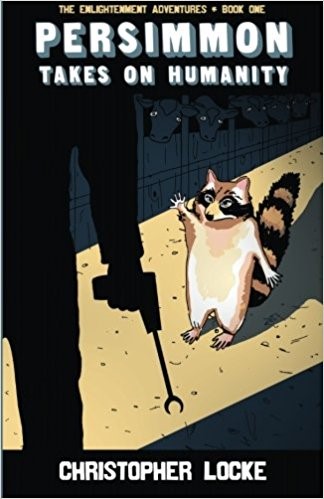
Classified as Young Adult Fiction, Christopher Locke’s book Persimmon Takes on Humanity centers on raccoon Persimmon, a spunky and scrappy heroine, and her forest friends as they try to rescue other animals suffering at the hands of humans.