A newly disclosed internal ICE policy has raised constitutional concerns after reports revealed guidance allowing agents to enter private homes using administrative warrants rather than judge-signed judicial warrants. Legal experts warn the directive challenges long-standing Fourth Amendment protections and could have broader implications beyond immigration enforcement.
Tag: civil liberties
When the Panthers Return
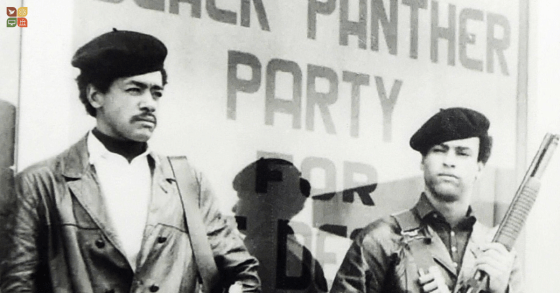
When armed Black Panther–affiliated groups appeared at recent anti-ICE protests, much of the media fixated on optics: uniforms, firearms, symbolism. But the real story isn’t the presence of Panthers — it’s the conditions that make communities feel safer beside armed civilians than beneath federal authority. History is clear on this point: when the state loses legitimacy through unchecked force, people do not retreat. They organize. The question we should be asking isn’t who showed up, but why they felt they had to.
When the State Becomes the Threat
A U.S. citizen was killed during a federal immigration operation she was not the target of. Within hours, the state rewrote the narrative to justify her death. This editorial examines the killing of Renee Good, the role of ICE, and why reform is no longer enough.
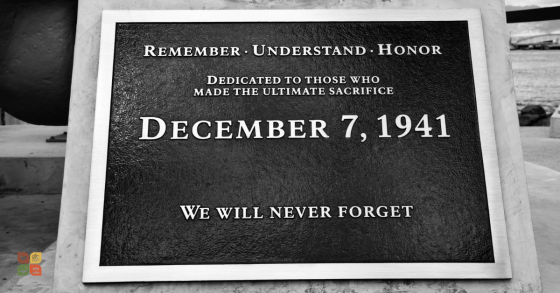
Rethinking Pearl Harbor Through a Humane Lens
On December 7, America remembers Pearl Harbor—but remembrance means more than ritual. The Humane Herald examines the war’s true cost: human suffering, environmental devastation, emergency powers, and the birth of a militarized state. To honor history, we must confront the systems that make war inevitable—and choose a humane alternative.
When Human Rights Are Turned Upside Down
The State Department’s new directive classifying abortion access and DEI programs as potential human-rights violations marks a major shift in U.S. foreign-policy language. By reframing reproductive autonomy and equity initiatives as infringements on “God-given rights,” the policy reverses long-standing human-rights interpretations and raises constitutional concerns. This editorial examines the implications of the directive, its conflict with the Ninth Amendment, and its potential impact on global human-rights reporting.
Amendment IX — Rights That Remain Unwritten
The Ninth Amendment affirms that the rights listed in the Constitution do not limit the broader liberties retained by the people. Designed to prevent the narrowing of freedom, it recognizes that constitutional protections extend beyond what is written on the page and evolve as society changes.
USA’s First Animal Rights Political Party Registers First 40 Voters
The Humane Party—which is the nation’s first and currently only political party committed to animal rights—began registering voters yesterday in … More