Record ICE Detention Levels Raise Alarm as 2025 Surges Past Previous Years

Record-high detention numbers are reshaping the U.S. immigration landscape in 2025. ICE is now holding more than 65,000 people—most with no criminal convictions—marking the largest detainee population in the agency’s history. A year-to-year comparison shows detention levels nearly doubling since December 2024, raising urgent questions about enforcement priorities, capacity, and the human impact of prolonged civil detention.

Flat lay of menstrual pads, pills, and pink flowers on a light blue background, representing women’s health and menstrual care.

When Women’s Health Is Treated as an Afterthought

When trace metals were detected in tampons, panic wasn’t the real problem — policy failure was. The viral reaction exposed a deeper truth: menstrual products used inside the body for thousands of hours over a lifetime remain under-regulated, under-researched, and insufficiently transparent.

Holiday Consumerism vs. Planetary Reality: Why Ethical Gifting Matters More Than Ever

Mid-December marks the peak of America’s most waste-intensive season — a surge in trash, factory-farming output, and environmental harm often hidden behind holiday cheer. Ethical gifting offers a way to resist the cycle and align the season with compassion, sustainability, and planetary reality.

2025 Animal Year in Review: Policy Shifts, Global Labels, and Rising Scrutiny of Exploitation

From global food labels to wild-horse roundups, 2025 pushed animal issues into the center of climate, policy, and public-health debates. New transparency laws, plant-based investment, companion-animal protections, and growing scrutiny of industrial livestock marked a year in which governments could no longer ignore the ethical and environmental costs of animal exploitation.

America’s Debt Reckoning: Why Fiscal Ethics Must Lead the Way

The United States finds itself with war-level debt in peacetime, a generational burden no child asked for, and a currency system that rewards the rich and punishes the rest. If we do not restore fiscal ethics, the vulnerable will be the first to be sacrificed—human, non-human and environmental alike. The time for leadership is now.

Rethinking Pearl Harbor Through a Humane Lens

On December 7, America remembers Pearl Harbor—but remembrance means more than ritual. The Humane Herald examines the war’s true cost: human suffering, environmental devastation, emergency powers, and the birth of a militarized state. To honor history, we must confront the systems that make war inevitable—and choose a humane alternative.

Democrats’ Appropriation of the Name “Abolition Amendment” Is Misleading and Problematic

Democrats’ recent attempt to brand their proposal as the “Abolition Amendment” obscures the term’s established meaning and appropriates language created by the Humane Party years earlier. While removing the 13th Amendment’s punishment clause is necessary, it is not abolition — not when the slavery of non-human beings remains fully intact. By co-opting a name that already denotes the complete end of slavery for all creatures, the proposal risks misleading the public and diluting a central pillar of the animal rights movement.

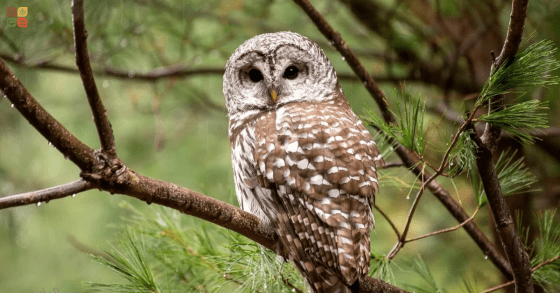
the ones who were never meant to rise

A rising voice speaks from the margins, where humans and animals share the same bruised earth and the same hunger for freedom. This poem follows the underdogs—the silenced, the overlooked—as they discover the rebellious power of standing up together.

Lancaster Farm Sanctuary

Lancaster Farm Sanctuary is reshaping what sanctuary work means inside one of Pennsylvania’s most agriculturally entrenched counties. In this in-depth conversation, the LFS team reflects on their origins, the daily rituals that center animal agency, the emotional weight of rescue work, and the communities that make their mission possible. From piglets teaching elders how to play to ponies who insist on freedom during their evening return, every story underscores the same truth: when animals are given safety, autonomy, and respect, they reveal who they have always been. This interview offers a rare, honest look at the joys and struggles of sanctuary life—and what compassion can build when a community chooses to care.