
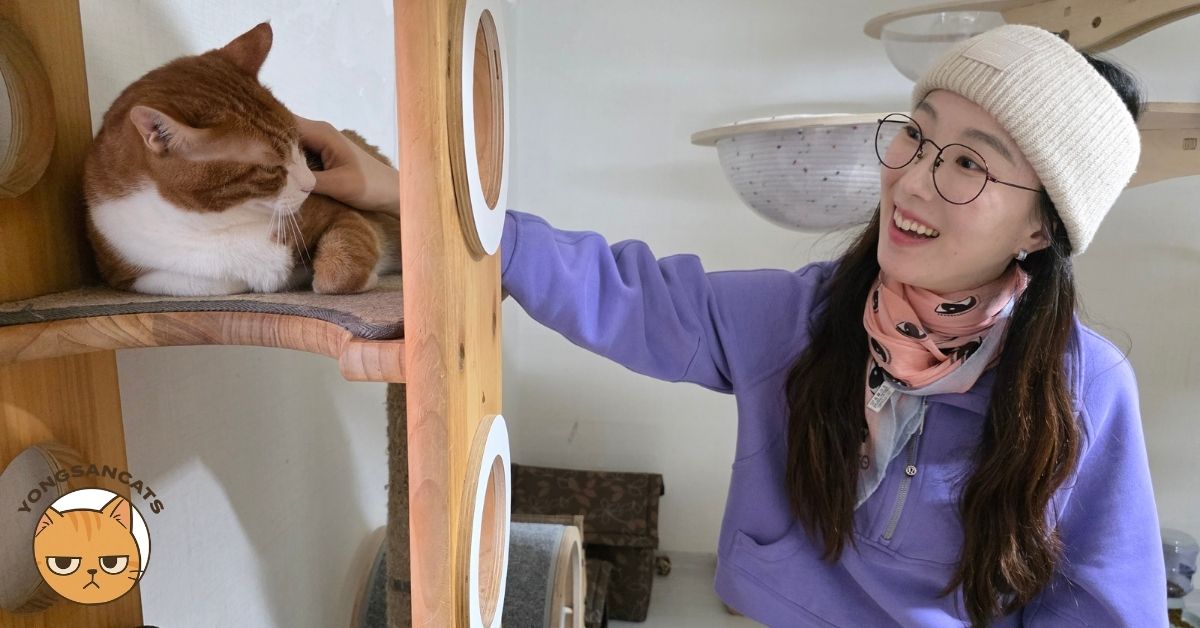
A redevelopment fence can be installed in hours, but the animals living around it still follow routes learned over years. A street-cat rescuer in Seoul reflects on responsibility when human plans move faster than vulnerable lives can understand
By Julie Choi
One morning in Yongsan, a neighborhood caregiver arrived at a familiar feeding place and found a construction boundary where her routine had been.
The food corner was no longer accessible. A cat who usually waited nearby was missing. We began searching the surrounding alleys before the streets became busy, checking quiet gaps and comparing the most recent sightings. We did not know whether the cat had moved, was hiding, had been injured, or remained somewhere behind the fence.
The boundary had been drawn in a day. The cat’s understanding of the neighborhood had been built over years.
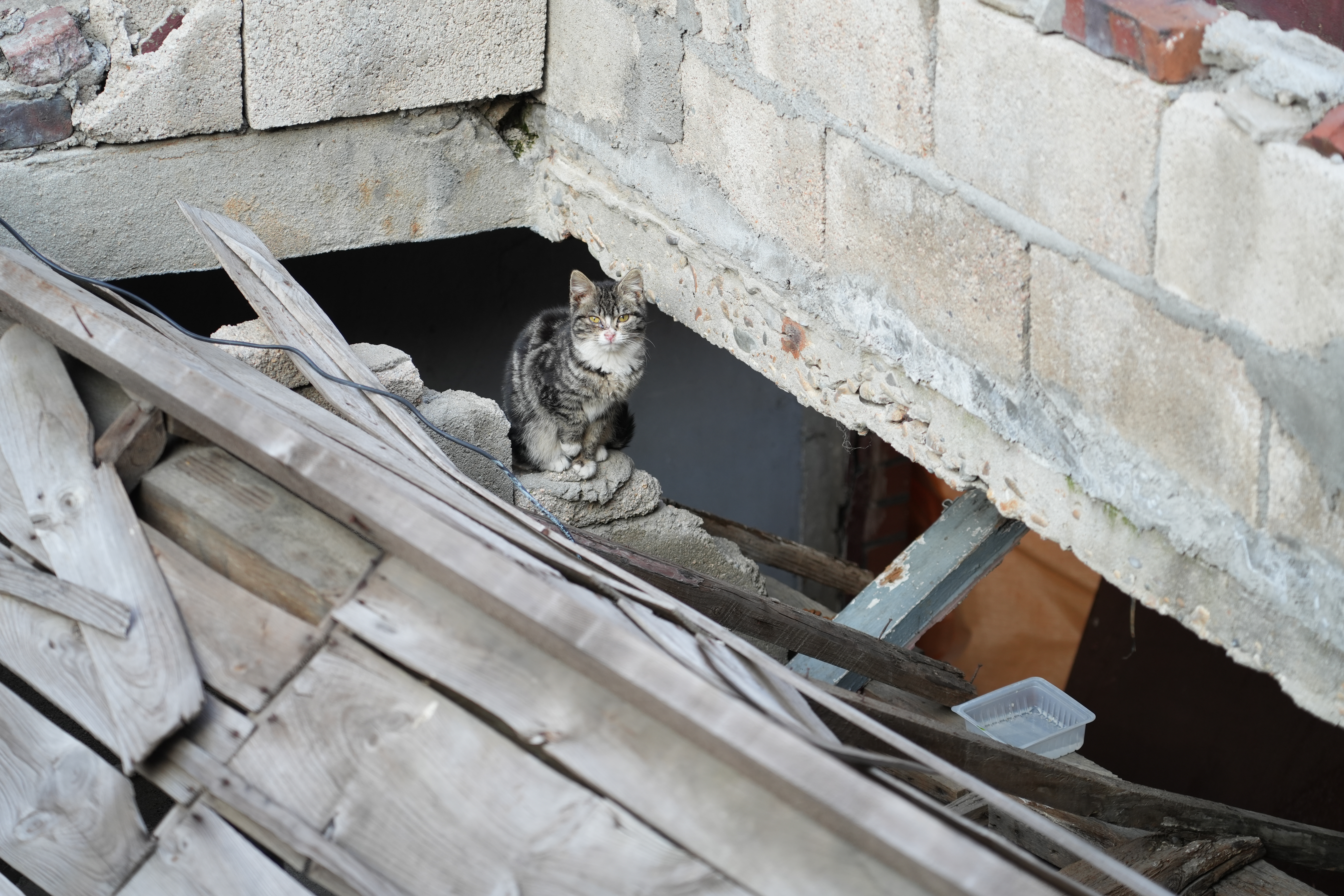
I run YongsanCats, an independent rescue effort in Seoul. Much of my work now involves cats affected by redevelopment: animals who lose feeding places, shelter, and familiar routes as older neighborhoods are emptied and demolished. I work alongside local caregivers, foster homes, veterinary clinics, and adopters, but there is no large institution waiting behind me. Each case begins with the resources, information, and time that happen to be available.
That reality creates difficult choices. If we trap a cat, where will the animal recover? If treatment is needed, who can transport the cat and continue medication? If the old territory is no longer safe, is there a foster space? If there is no foster space, is waiting more humane than acting? The answers are rarely complete when a decision has to be made.

Responsibility is often described as if it begins with authority. The person who owns a building, approves a plan, or controls access is expected to decide what happens. Street cats expose the limits of that idea. The people who know them best may have no formal role at all. A caregiver may know exactly when a cat eats, where the animal hides, and whether its movement has changed, yet have no standing in the redevelopment process. The cat has even less.
Still, responsibility does not disappear because authority is absent. It moves downward. It reaches the person holding a food bowl, the resident sending a photograph, the clinic making room for an urgent case, and the individual trying to arrange a foster home before a trap is set.
This care is easy to overlook because it is informal. It does not appear on a project map. There is no official marker for the wall that blocks the winter wind, the basement opening where a cat waits, or the route between a feeding place and a safe hiding spot. When the buildings are described as vacant, those relationships can be treated as if they have already ended.
But an area can be empty of legal residents and still be full of dependence.
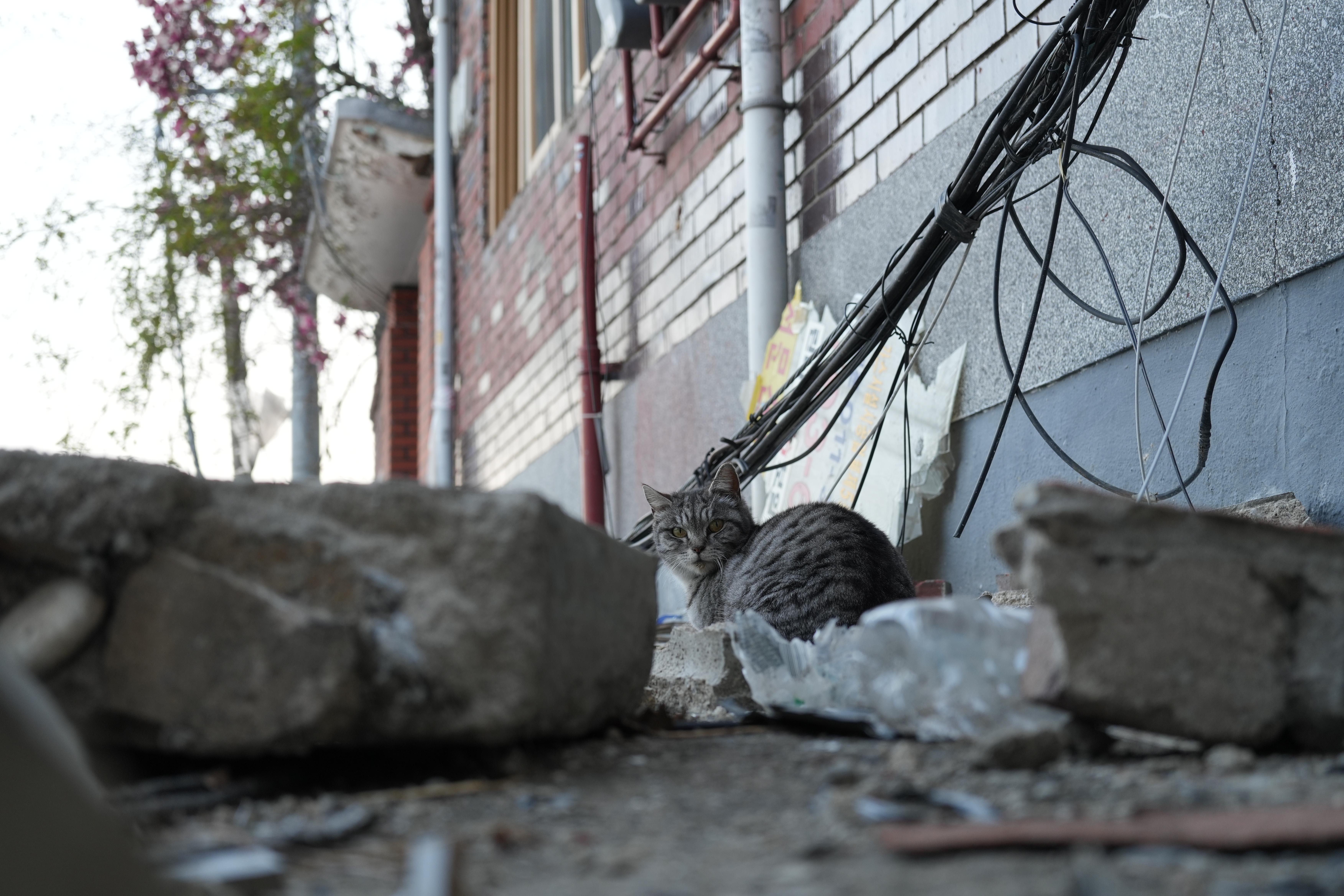
Street cats are territorial. Returning an animal to the same coordinates is not necessarily a return if the shelter, food source, and safe path are gone. At the same time, bringing every cat indoors is neither immediately possible nor always right for the individual animal. A frightened adult cat may need treatment and a quiet place to recover before anyone can understand what kind of future is realistic. Rescue should not replace one form of disregard with another by forcing every animal into the same outcome.
This is where ethical certainty becomes uncomfortable. The person making a rescue decision often has incomplete information and limited capacity. We may know what would be ideal but have to choose among imperfect options. The danger is that limitation can become an excuse to look away. I try instead to let it become a reason for honesty: What do we know about this cat? What harm is immediate? What support actually exists? What promise can we keep after the moment of capture?
The answers matter because rescue is not a photograph of a cat leaving a dangerous place. It is a chain. Someone notices that a routine has broken. Someone searches. A humane trap is monitored. Transport is arranged. A veterinary team examines an animal with little history. A foster carer watches appetite, pain, fear, and trust. An adopter may eventually offer a permanent home. If one link is missing, the burden falls back onto the animal.
I have seen what becomes possible when that chain holds. Cats who appeared withdrawn or old beyond their years have begun to play in foster care. Young mothers have been reunited with kittens after long searches. Animals who were known only as shapes moving between buildings have become recognizable personalities with preferences, relationships, and boundaries of their own.
I have also searched for cats whose outcomes remain unknown. There is no ethical lesson that makes that uncertainty painless. Not every effort succeeds, and not every disappearance can be turned into a story of rescue. Remembering those cats matters because success alone cannot be the measure of whether a life deserved attention.
The most humane intervention would often begin before the emergency. Caregivers could be consulted before access changes. Cats could be documented while their routines are still stable. Time could be allowed for monitoring and safe trapping. Veterinary and recovery plans could be prepared before machinery arrives. This would not stop a city from changing. It would recognize that change creates obligations toward lives that cannot read a notice or negotiate a deadline.
When I think about that morning at the fence, I do not remember a dramatic rescue scene. I remember the imbalance between how quickly a human boundary appeared and how little time the animals were given to understand it.
Compassion in that moment is not only a feeling. It is the decision to treat an absence as evidence, a caregiver’s knowledge as expertise, and an animal’s dependence as morally relevant even when no institution has assigned responsibility.
The boundary may be legal. It may be necessary to a plan. But it should never make the lives on the other side invisible.

About the Author
Julie Choi runs YongsanCats, an independent rescue effort in Seoul that helps street cats affected by redevelopment reach food, veterinary care, foster homes, and adoption. She works alongside local caregivers and other individuals who know the cats and their changing neighborhoods.
Yongsancats Website: https://yongsancats.com
Yongsancats Instagram: https://www.instagram.com/yongsancats

