
When the public calls for transparency, industries that thrive on secrecy often tremble. Such is the case in animal agriculture, where a new wave of advocacy — reignited by UnchainedTV’s recent call for mandatory cameras in slaughterhouses — is forcing a long-avoided question into the national spotlight: What are they hiding?
The Call for Cameras
On October 18, 2025, UnchainedTV published a powerful editorial demanding 24/7 live-streaming cameras inside slaughterhouses and factory farms. The article argues that these operations should no longer operate in darkness, hidden behind “ag-gag” laws that punish whistleblowers and criminalize transparency.
The timing wasn’t accidental. The call came amid the ongoing trial of animal-rights activist Zoe Rosenberg, charged for rescuing chickens from a Perdue-affiliated facility in Petaluma, California — a facility where defense witnesses have described birds still flapping and alive while being dragged toward scalding tanks.
The footage and testimony shocked even seasoned advocates. Yet under current U.S. law, the public cannot see what happens behind those closed doors unless an undercover activist risks arrest to film it. That imbalance is precisely what UnchainedTV’s proposal seeks to end.
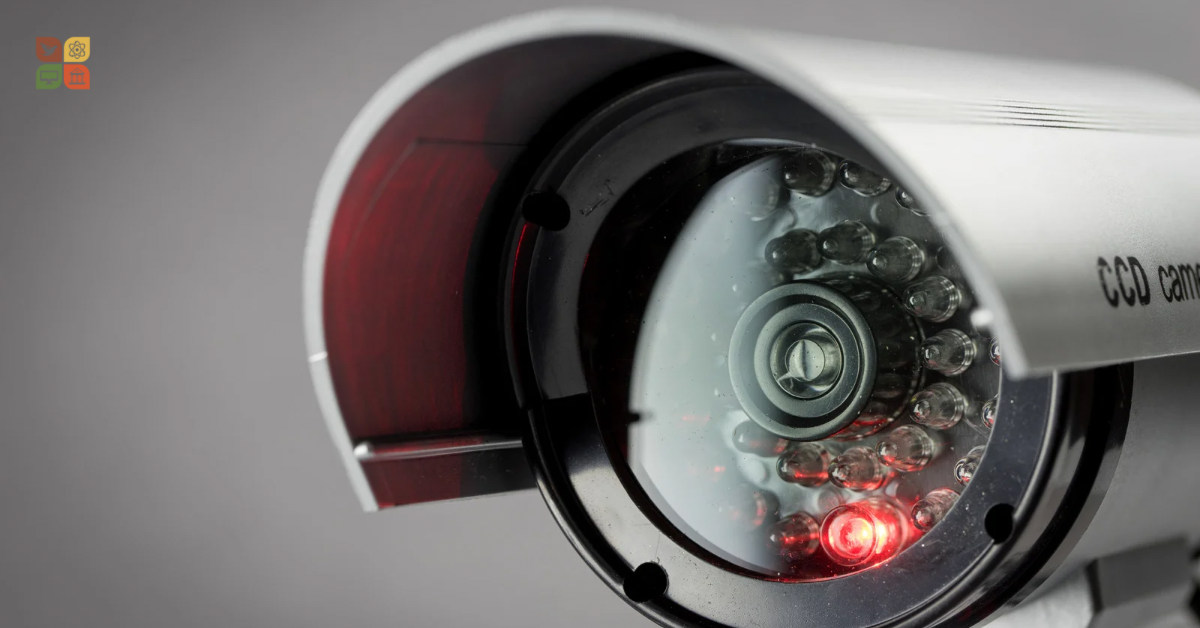
Their demand: cameras in all slaughterhouses, broadcasting live, with no blind spots — creating a digital window for regulators, journalists, and citizens alike to see what really happens where billions of lives are taken each year.
A Precedent Abroad
The idea isn’t without precedent. The U.K., Scotland, Spain, and Israel already require CCTV in slaughterhouses — with Israel’s program streaming directly to the Ministry of Agriculture. And contrary to industry fears, those mandates didn’t collapse production — they simply exposed cruelty that had long gone unaddressed and forced incremental improvements.
If transparency is possible elsewhere, why not here?
The United States, a self-proclaimed champion of freedom, still bans the public from seeing how its food is made — or rather, how its victims are killed. The veil remains thick, guarded by lobbyists and legislators who prefer the comfort of plausible deniability.
Where the Humane Party and Herald Stand
The Humane Herald and the Humane Party take a principled, uncompromising position on this issue. The question isn’t whether cameras should be installed — it’s whether a society that claims moral leadership can continue to tolerate the existence of slaughterhouses at all.
Cameras might provide accountability, but they don’t provide justice. They document suffering; they don’t end it.
From the Humane Party’s perspective, any measure that increases transparency is a step forward, but only insofar as it accelerates abolition. The Party’s position is rooted in rights-based ethics, not welfare-based reform. In other words, the Party supports cameras not to make slaughter “humane,” but to make it undeniable.
The Humane Party rejects euphemisms like “processing” or “harvesting.” What happens inside those buildings is murder, dismemberment, and faunacide — the industrialized killing of sentient beings who want to live. The Party therefore views cameras not as reform tools, but as mirrors: exposing our collective moral contradictions until we can no longer look away.
Why Transparency Still Matters
From a pragmatic perspective, transparency laws can be powerful catalysts. When slaughterhouses know they’re being watched, cruelty often diminishes — at least temporarily. Research from Faunalytics shows that CCTV reduces welfare violations when properly monitored and enforced.
But the question remains: who’s watching the watchers?
In the U.K., some footage is reviewed only by government inspectors, not the public. The Humane Party would argue that this merely shifts secrecy from private to bureaucratic hands. Genuine accountability demands public visibility — not filtered oversight through agencies historically sympathetic to agribusiness.
The Herald editorial board aligns with this stance. Cameras, if implemented, must be publicly accessible and continuously monitored. Every citizen deserves to know what is done in their name, with their money, and to beings whose suffering is conveniently sanitized at the checkout line.
The Silence of “Humane” Organizations
While grassroots media like UnchainedTV are pushing hard for transparency, the country’s largest animal-welfare nonprofits remain largely silent.
The Humane Society of the United States (HSUS) and its legislative arm, Humane World Action Fund, focus on incremental improvements — cage-free pledges, transport regulations, and slaughter reforms. These efforts, while better than nothing, still operate within a framework that accepts animal killing as inevitable.
Neither organization has publicly endorsed live, public camera requirements in slaughterhouses. The Humane Herald believes this is a moral and strategic failure. When reform becomes a business model, revolution becomes a threat.
The Humane Party stands apart precisely because it does not seek to make slaughter more palatable — it seeks to end it. Cameras, then, serve a revolutionary purpose: to reveal the horror that “humane” reforms conceal.
The Political Frontier
Should a bill for slaughterhouse cameras advance — particularly in California, where Rosenberg’s trial is unfolding — it will test whether lawmakers are willing to confront an industry whose power rivals that of fossil fuels.
Opponents will cite security, privacy, and biohazard concerns. But such arguments ring hollow in an age where nearly every corner of public life is surveilled — except the one place where moral accountability matters most.
As the Humane Herald has long held, transparency is not radical — secrecy is. And in the context of mass killing, secrecy is complicity.
The Ethical Frontier
Cameras alone won’t create compassion — but they might awaken it.
Transparency is the spark that turns ignorance into awareness, and awareness into moral reckoning.
Every society defines itself by what it permits unseen.
If we cannot bear to witness an act, perhaps we should not permit it.
Cameras in slaughterhouses are therefore more than reform; they are a moral experiment — testing whether truth, once visible, can still be ignored.
The Humane Party’s Vision Beyond Cameras
The Humane Party envisions a post-slaughter economy — where plant-based and cell-cultured foods replace the systemic violence of animal agriculture, and where laws recognize the rights of nonhuman beings to live free from harm.
Transparency measures like live cameras are therefore transitional justice mechanisms — tools to hasten the end of an unjust system, not to perfect its operation.
To quote the Party’s foundational ethos:
“We do not seek to make slavery kind, war gentle, or murder polite. We seek their abolition.”
In the end, cameras are not the solution — they are the mirror.
And when the nation is finally forced to look, what it sees may change everything.
Editorial Note:
This article draws inspiration from UnchainedTV’s original report, “Cameras in Slaughterhouses: Why Transparency Matters”, published October 18, 2025.
While The Humane Herald and the Humane Party share UnchainedTV’s call for transparency, our editorial position extends further — advocating for the complete abolition of slaughterhouses and the recognition of nonhuman rights as the ethical endpoint of true visibility.
We thank UnchainedTV for their continued leadership in bringing visibility and urgency to issues too often hidden from public view.
 The Humane Herald