
New York’s wildlife law opened the door. What happens next may matter even more.
Sometimes the most important moments in a movement don’t announce themselves.
They don’t come with press conferences or headline-making votes. More often, they begin quietly—through conversations between people who hadn’t worked together before, shared ideas that slowly become shared goals, and a growing recognition that lasting change is rarely accomplished alone.
That is where New York City finds itself today.
When we first wrote about Intro. 806-A in June, we asked a simple question: Who gets to define humane? At the time, the legislation represented an important shift. For the first time, New York City committed itself to developing a comprehensive wildlife management plan centered on biodiversity, coexistence, and the humane treatment of wildlife. It was a reason for cautious optimism—not because the law solved every problem, but because it suggested the conversation itself might be changing.
Passing a law, however, is not the same as changing a culture.
Laws establish direction. People determine whether that direction becomes reality.
From Legislation to Leadership
The next phase of this story will not unfold in the City Council chambers. It will unfold through the appointments to the Wildlife Management Advisory Board, the development of New York City’s first comprehensive wildlife management plan, public hearings, and the countless decisions that follow.
Those decisions will shape how the city responds when wildlife and human communities intersect. They will influence whether coexistence is treated as a guiding principle or merely an aspiration, and whether “humane” becomes a measurable standard or simply reassuring language attached to familiar practices.
That is why the work happening now matters so much.
Implementation is where good ideas either take root—or quietly fade away.
A Different Kind of Conversation
Something else has been happening over the past several weeks, and it deserves just as much attention.
People are talking to one another again.
Not because every organization suddenly agrees on every issue. They don’t. Healthy movements rarely do. But across New York City, wildlife advocates, animal protection organizations, attorneys, journalists, community organizers, and concerned residents have been finding common ground in ways that feel both refreshing and long overdue.
Many of these conversations have happened away from public view—through meetings, emails, strategy sessions, and introductions between people who simply want to see a more humane future.
Perhaps that is one of the quiet successes of this moment.
The movement itself is beginning to reconnect.
That collaboration matters because meaningful change rarely belongs to a single organization. It grows when different voices bring different strengths to a shared purpose.
Humane Must Mean Something
One example of that collaboration is a new joint campaign between the Humane Party of New York and GooseSave NYC. Together, they are calling on Mayor Zohran Mamdani to end New York City’s agreements with USDA Wildlife Services on city-owned property and to prioritize humane, nonlethal wildlife management wherever practical alternatives exist.
On its surface, the request is specific.
Beneath it lies a much larger question.
If New York now speaks openly about humane wildlife management, what should that actually look like in practice?
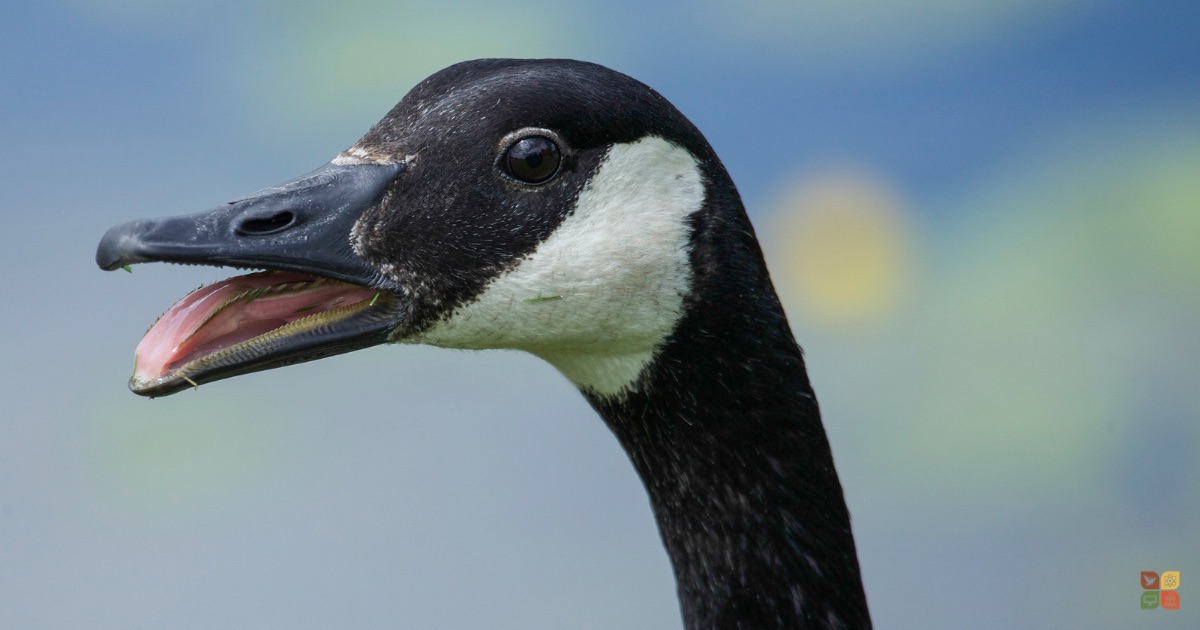
For years, the city’s response to Canada geese has relied on annual roundups during the birds’ molt, when they are temporarily unable to fly. Entire family groups can be captured, placed into crates, and killed under longstanding wildlife management contracts. Supporters of the practice point to aviation safety and conflict reduction. Advocates argue that these operations rely too heavily on lethal management while overlooking opportunities for coexistence, habitat modification, and other humane alternatives.
The larger question is whether New York is willing to examine long-standing practices through the very principles it has now embraced.
If we are going to use the word humane, we should be willing to ask what it requires of us.
A City Shared With Wildlife
Although Canada geese have become the focus of much of the current discussion, this conversation has never been about one species alone.
It is about coyotes establishing territories in city parks, hawks nesting on bridges and high-rises, migratory birds crossing one of the busiest skylines in the world, beavers returning to restored waterways, and countless other animals whose lives continue alongside our own.
The question before New York is not whether wildlife belongs here.
They are already here.
The question is what kind of relationship we choose to have with them.
A comprehensive wildlife management plan offers the opportunity to answer that question thoughtfully, drawing upon science, public participation, ethics, and lived experience rather than reacting only after conflict occurs.
That opportunity should not be taken lightly.
The Next Chapter
Sometimes progress is easy to recognize.
A bill passes.
A policy changes.
A court issues a decision.
Other times, progress is quieter.
It begins when people who once worked in parallel begin working together. When conversations replace assumptions. When advocates recognize that lasting change requires not only passion, but partnership.
That is what makes this moment feel different.
The passage of Intro. 806-A opened an important door. The conversations happening today—between organizations, advocates, elected officials, and everyday New Yorkers—will determine what comes through it.
Whether New York ultimately becomes a model for humane wildlife management remains to be seen.
But perhaps that is exactly what gives this moment its significance.
The story is still being written.
And for the first time in a long time, it feels like more people are picking up the pen together.

