
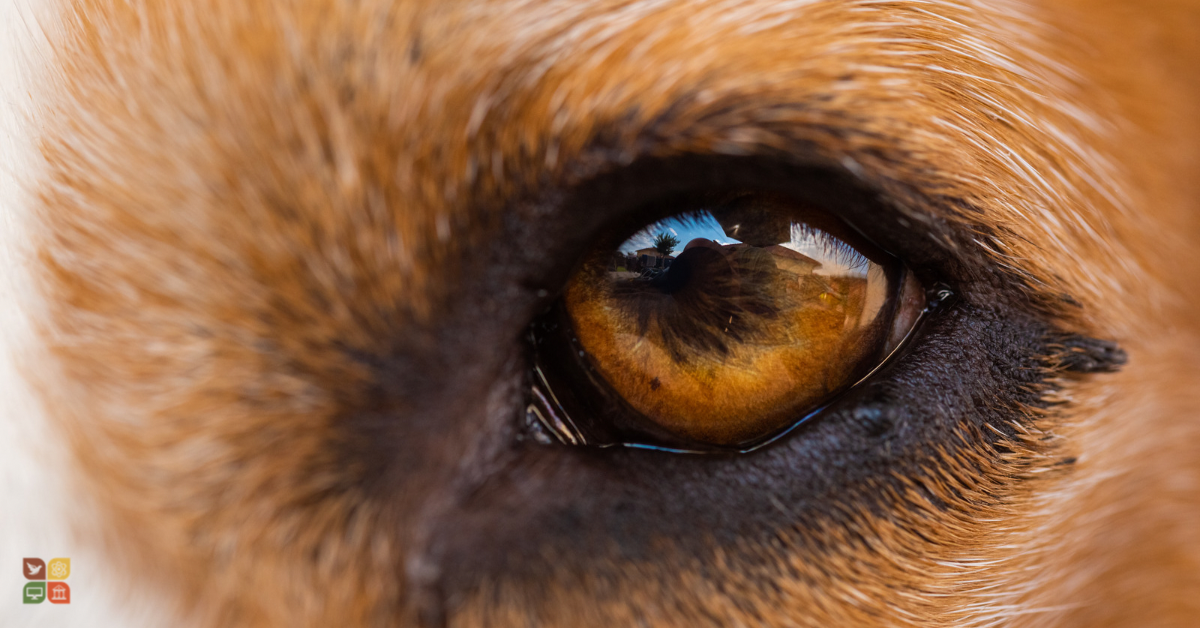
Some stories ask to be understood, while others ask only to be seen. This week, images circulated of beagles being carried out of a breeding facility in Wisconsin—small bodies lifted into open air, legs dangling, eyes wide and uncertain. The footage was brief, almost fleeting, but it carried a weight that extended far beyond the moment itself.
For some, the story is already resolved. Laws were broken, arrests were made, and the system responded as it was designed to. The language used in coverage reflects that conclusion, focusing on trespassing, charges, and procedure. But for others, the moment does not settle so easily. It lingers not in the courtroom or the legal framing, but in the image itself—of a dog being carried out of confinement and into something unknown, yet undeniably different.
There is a shift that occurs when something abstract becomes visible. “Animal testing” is often kept at a distance, contained within clinical language that feels controlled and impersonal. It exists as a concept rather than a reality, something acknowledged but rarely confronted. By contrast, the image of a beagle in someone’s arms collapses that distance. It presents the subject not as an idea, but as a being—one that is immediately recognizable, familiar, and difficult to ignore.
Once that shift happens, the question is no longer simply about legality. It becomes about perception and what we are willing to confront. Seeing something clearly, without the buffer of language or abstraction, introduces a kind of discomfort that cannot be easily resolved. It challenges the narratives we rely on to make sense of the world, particularly when those narratives depend on keeping certain realities out of view.
We are often told that awareness is only the first step—that it must lead to action, policy, or change. While that may be true, there is a quieter and often overlooked step that comes before any of that can occur. It is the decision to truly look, to sit with what is visible without immediately translating it into something more comfortable or familiar.
That decision is not as simple as it sounds. To look fully is to risk disruption. It means reconciling what we see with what we have previously accepted, and allowing that tension to exist without rushing to resolve it. For many, that is where the instinct to turn away emerges, or to retreat into language that restores a sense of order. Terms like trespassing, property, and procedure offer clarity, but they also create distance, reshaping the moment into something more manageable.
And yet, even with that distance, certain images persist. They remain in the background of our awareness, resurfacing in quiet moments when the initial framing begins to fade. They do not demand agreement or immediate resolution, but they resist being fully dismissed.
As the news cycle moves forward and attention shifts elsewhere, this story will likely follow a familiar path through legal proceedings and public discourse. But the image at its center may continue to carry a different kind of significance—one that exists outside of headlines and beyond the constraints of language.
In the end, what remains is not just what happened, but what was seen, and what we chose to do with that seeing.
 The Humane Herald