
How the Words We Use Hide Cruelty — and How Truth Can Set Us Free
Power doesn’t always show up as shouting or control. Sometimes it hides in how we speak. From office meetings that call layoffs “rightsizing” to farms that call killing “processing,” words can quietly excuse harm. They make cruelty sound routine.
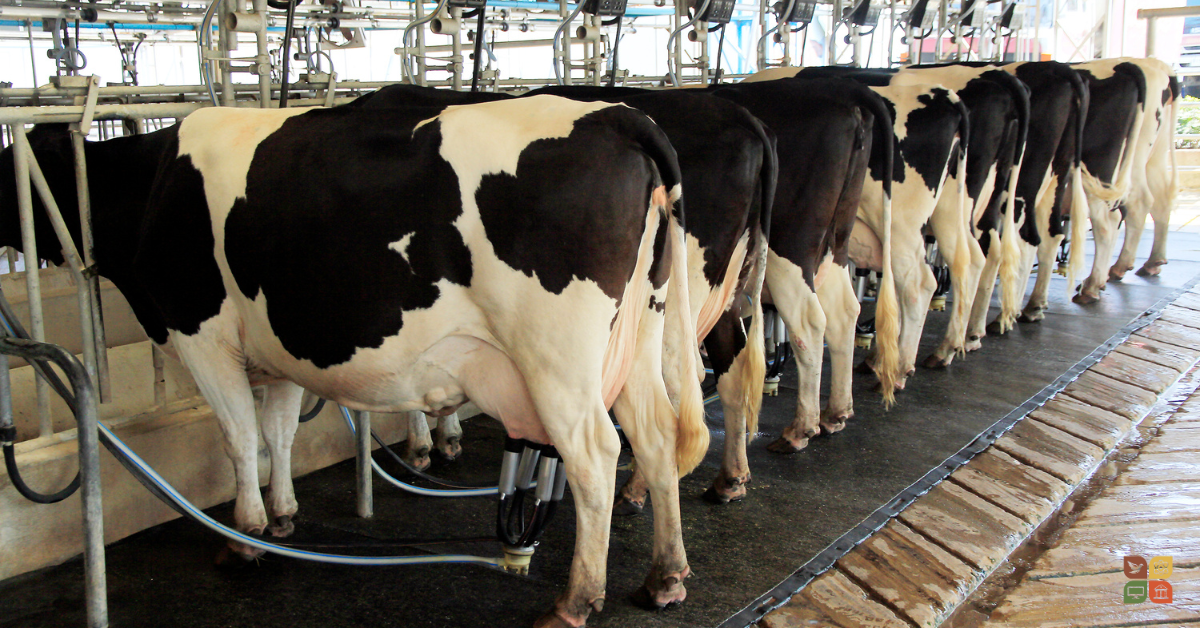
The Humane Party has long warned that this kind of language isn’t neutral — it’s how oppression survives. When we use words like “livestock,” “product,” or “stock,” we strip away identity and life. When we call killing “harvesting” or “culling,” we pretend it’s clean and necessary. Every euphemism makes violence easier to ignore.
These word choices are not accidents. They form a system — one that protects those in power by hiding what really happens. Language shapes how we see the world. When a cow becomes a “commodity” or a person becomes a “resource,” it changes how we treat them.
That’s why the Humane Party insists on speaking plainly. Words like “murder,” “rape,” “kidnapping,” and “faunacide” may sound harsh, but they are accurate. They tell the truth about what happens when power destroys consent and life.
And this isn’t just about animals. In business and politics, we hear the same kind of word tricks: “collateral damage,” “cost-benefit analysis,” “human capital.” These phrases make it easier to ignore suffering — whether it’s people losing their jobs or families displaced by war. The same mindset that turns animals into products turns people into numbers.
Changing how we speak might seem small, but it’s a powerful act of rebellion. Honest words break the illusion that cruelty is normal. They make us see what’s really happening — and once we see clearly, we can’t unsee.
Deconstructing dominance begins with speech. Every time we choose a truthful word over a comfortable one, we take a step toward justice. From the barn to the boardroom, liberation starts with the courage to call things by their real names.
 The Humane Herald