
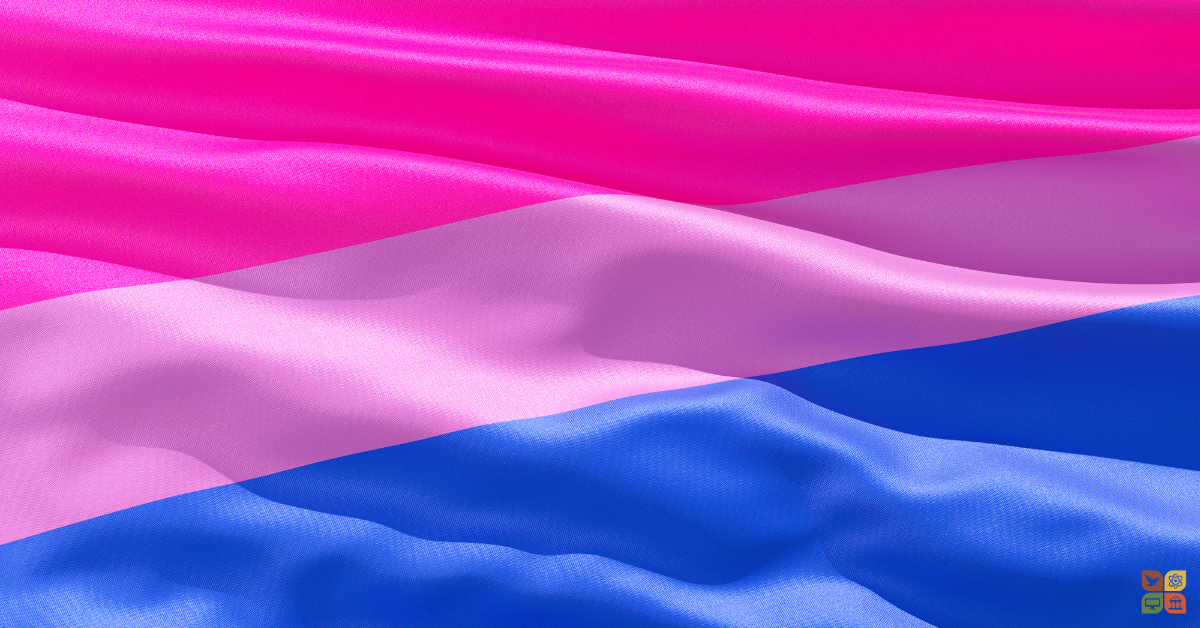
Every year on September 23, a powerful message resounds across the globe: bisexual people exist, bisexuality is valid, and love does not need to fit into narrow boxes. This is Celebrate Bisexuality Day — also known as Bi Visibility Day — an international observance that began in 1999 and continues to grow in strength and significance.
The Birth of a Day
In 1999, three bisexual activists — Wendy Curry, Michael Page, and Gigi Raven Wilbur — declared that bisexual people deserved more than side notes in the LGBTQ+ narrative. Too often, bisexuality was dismissed as “just a phase,” “confusion,” or erased altogether.
They chose September 23 to mark the occasion in honor of Freddie Mercury’s birthday. Mercury, the legendary Queen frontman, embodied fluidity both in his music and his identity. His life and artistry stood as proof that bisexuality did not need justification — it was brilliance in motion.
What began as a grassroots observance has since expanded into a global movement. From rallies and panels to digital campaigns and classroom discussions, Celebrate Bisexuality Day has carved out a vital place in the calendar of equality.
The Shadow of Erasure
Despite being the largest segment of the LGBTQ+ population, bisexual people often remain the least visible. This phenomenon, known as bi erasure, undermines both identity and well-being.
Studies have found that bisexual people experience higher rates of depression, anxiety, and intimate partner violence than both their heterosexual and gay/lesbian counterparts. These disparities stem not from the identity itself, but from society’s refusal to acknowledge it as real and valid.
That’s why visibility is more than symbolic. It is survival. Each September 23, the magenta, lavender, and blue of the bisexual flag remind people — especially bisexual youth — that they are not alone.
ERA, ERA2, and the Fight for Recognition
The struggle for bisexual visibility fits into a larger arc of history — one that includes the Equal Rights Amendment (ERA) and the Humane Party’s vision for ERA2.
Just as women demanded constitutional equality through the ERA, bisexual and queer activists have demanded recognition of their existence. ERA2 builds on that foundation, ensuring that equality is written without loopholes — covering sex, gender identity, and sexual orientation explicitly.
Both movements highlight the same truth: visibility must be paired with structural change. Recognition in culture is important, but recognition in law is transformative. Celebrate Bisexuality Day is a step toward that balance.
A Celebration with Purpose
At its heart, Celebrate Bisexuality Day is about more than parties or parades. It is about claiming space in history. It is about saying, We exist. We have always existed. And we are not going anywhere.
The day’s spirit is best captured in its dual nature — both celebratory and revolutionary. It is a joyful embrace of love in all its forms, and a serious call to dismantle the prejudices and policies that still hold bisexual people back.
Looking Forward
Twenty-six years after the first observance, Celebrate Bisexuality Day continues to remind the world that bisexuality is not an in-between or an indecision. It is a whole, valid identity deserving of respect and equality.
As the Humane Party pushes forward with ERA2, as communities keep raising the bisexual flag higher, the call echoes louder: equality means equality — for all.
On this September 23, as the world pauses to recognize bisexual lives and loves, one truth shines through: visibility is not just representation. It is liberation.
 The Humane Herald