
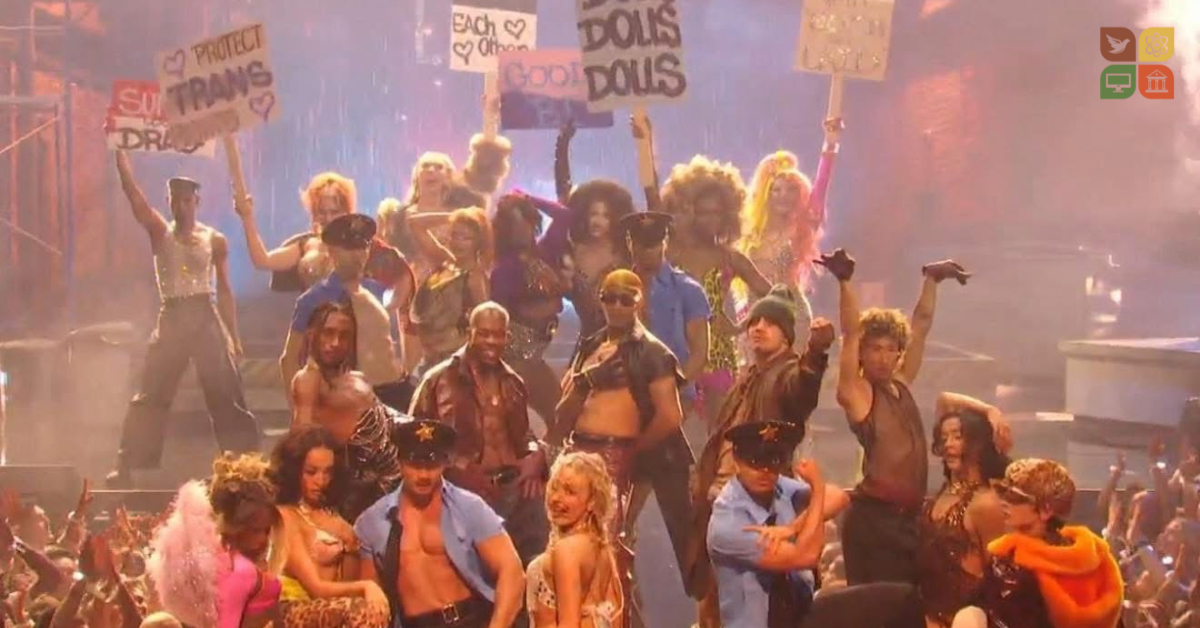
Sabrina Carpenter’s electrifying VMAs performance was more than pop spectacle—it was a statement. As dancers filled the stage holding signs reading “Protect Trans Kids,” “Love Each Other Good,” and “Dolls,” the message was unmistakable: visibility and solidarity matter. In a cultural moment where trans communities face legislative attacks and daily violence, this performance was a reminder that art can be protest, and protest can be joy.
A Stage for Equality
Carpenter’s decision to spotlight trans rights at one of the music industry’s largest stages echoes what grassroots advocates have long said: silence equals complicity. While lawmakers strip rights and spread disinformation, voices of solidarity on public platforms shift narratives, embolden communities, and put pressure on institutions.
But if equality is to be more than symbolic, it must be enshrined in law.
Enter the ERA2
The Equal Rights Amendment was first introduced in 1923. A century later, its promise remains unfulfilled. ERA2—a renewed and expanded vision of the amendment—goes further than the original by embedding protections not only on the basis of sex, but also inclusive of gender identity, sexual orientation, and beyond.
Proposal and ratification are the next necessary steps. Proposal means formally introducing ERA2 into Congress. Ratification means securing the approval of three-fourths of the states so it becomes part of the Constitution. Together, those steps would move equality from applause lines to enforceable rights.
Why This Matters Now
Across the country, lawmakers are waging a war on bodily autonomy: rolling back reproductive rights, banning gender-affirming care, and criminalizing queer existence. At the same time, women still lack explicit constitutional equality under U.S. law, leaving hard-won rights vulnerable to political tides.
Trans youth deserve a world where their humanity isn’t debated in statehouses. Women deserve a Constitution that recognizes their full personhood. Queer families deserve equal dignity without loopholes. The ERA2 provides that foundation.
From Applause to Action
Sabrina Carpenter’s stage wasn’t just choreography—it was a call to conscience. As audiences cheered, the deeper challenge remains: will America codify equality into its highest law?
The VMAs gave us spectacle. Now, the movement must deliver substance. Proposal and ratification of ERA2 would ensure that equality isn’t left to celebrity platforms or cultural trends, but anchored where it belongs—at the heart of the Constitution.
Editor’s Note: To our knowledge, Sabrina Carpenter is not vegan. Nonetheless, her public support for the trans community on this stage is commendable. Solidarity in one area of justice does not require perfection in all areas—and building bridges across movements strengthens the fight for universal equality.
 The Humane Herald