
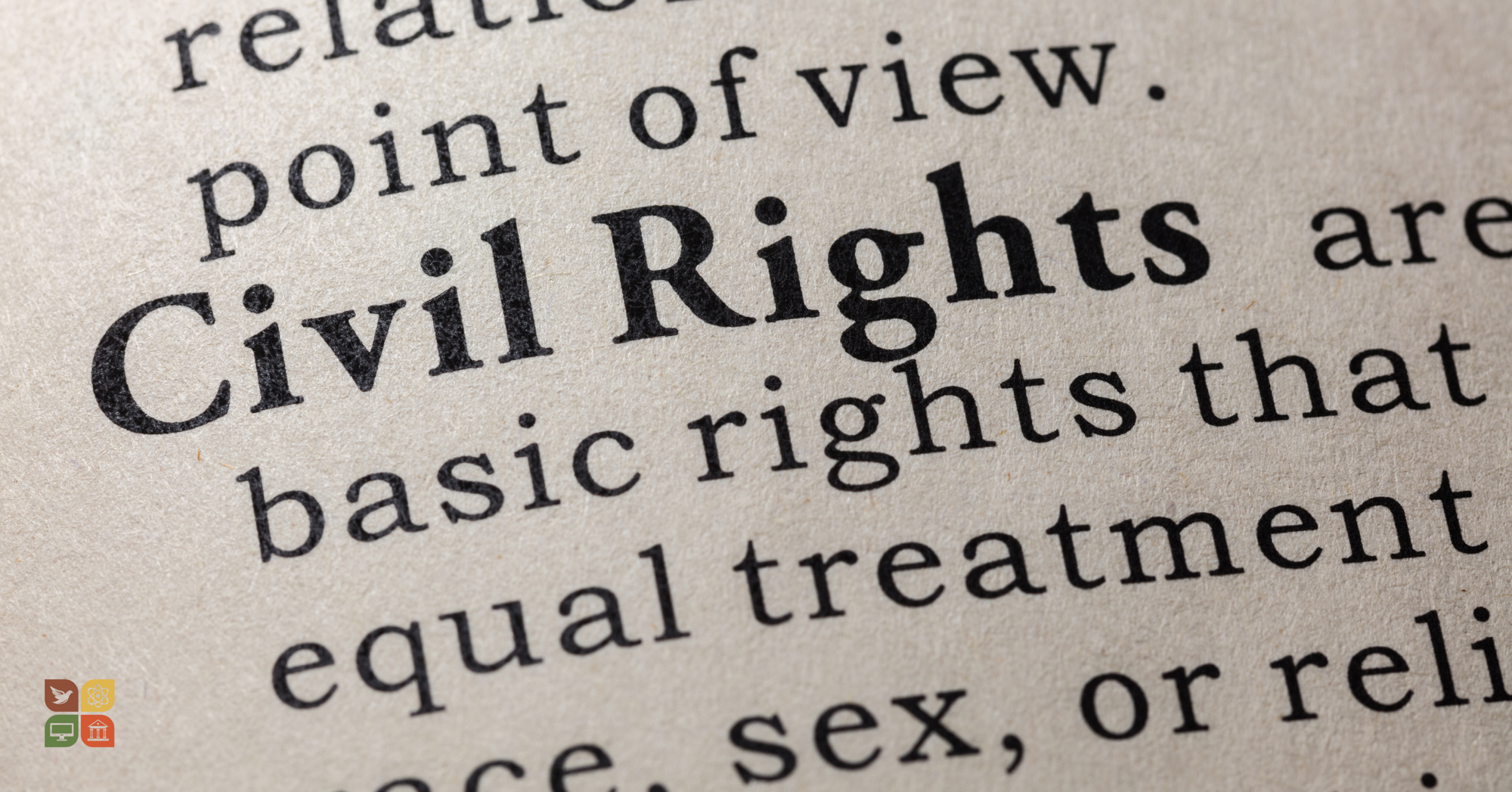
When civil rights are under attack, the first strike isn’t always a direct hit—it’s often a test. A “trial balloon” floated in the courts or in a state legislature to see if it catches wind. And if it does? That’s when the time bombs start ticking.
Kim Davis’ Supreme Court petition isn’t just about her personal vendetta against marriage equality—it’s a textbook example of this strategy in action. File a lawsuit that pokes at a settled precedent. Wrap it in the language of “religious freedom” or “states’ rights.” Then wait to see if the Court takes the bait. If it does, you’ve cracked the door open for a flood of bigger, bolder attacks.
We’ve seen this playbook before. Reproductive rights were dismantled not overnight, but in incremental cases designed to undermine Roe v. Wade long before Dobbs toppled it entirely. Voting rights have been chipped away in the same way, with “small” changes to polling rules or ID laws adding up to major disenfranchisement.
And right now, the LGBTQ+ community is squarely in the crosshairs. Across the country, state lawmakers are pushing symbolic bills, resolutions, and local ordinances that would never survive federal scrutiny—yet. Each one is a stress test for the courts, a way to signal to the Supreme Court that there’s “momentum” for reversing precedent.
The truth is, these trial balloons aren’t harmless political theater. They are calculated moves in a long game—a game that counts on most people tuning out until it’s too late. By the time a “symbolic” bill turns into enforceable law, the groundwork is already laid, and the shock value is gone.
If we fail to call out these smaller moves, we normalize them. We give oxygen to the idea that rights are negotiable, that equality can be chipped away without anyone noticing until the foundation is gone.
The lesson from history is clear: ignore the trial balloons, and you’ll be standing under the debris when they burst.
Next in the series: The Fragile Shield: Respect for Marriage Act—Enough or Just a Safety Net? — why the 2022 law isn’t the airtight protection many think it is.
 The Humane Herald