
The September 18 announcement immediately raised questions about press access and the First Amendment — but exactly what the ban will mean in practice remained unclear Friday evening.
where science and ethics intersect with politics
The September 18 announcement immediately raised questions about press access and the First Amendment — but exactly what the ban will mean in practice remained unclear Friday evening.
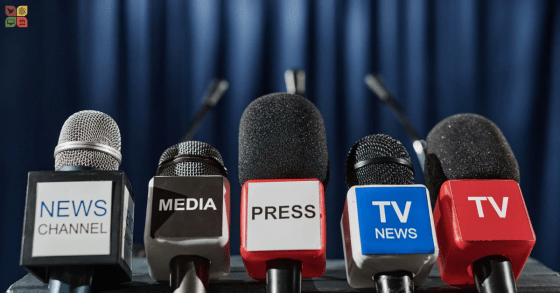
Press freedom is not only challenged by overt censorship, but by the quiet normalization of restricted access, informal pressure, and shifting boundaries. As these forces shape what journalists can pursue—and what they begin to avoid—Press Freedom Watch examines how the conditions of a free press are being redefined in real time.
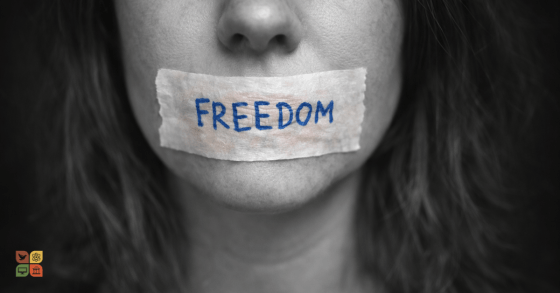
While national attention focused on the arrest of a high-profile journalist, another reporter was taken into custody with far less notice. Georgia Fort, an independent journalist, was arrested in connection with the same protest—raising urgent questions about whose press freedom is defended, whose arrests become invisible, and how easily constitutional protections erode at the margins of public attention.
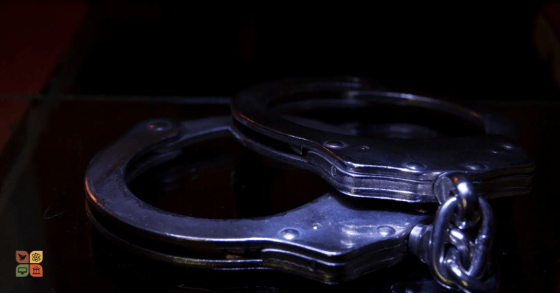
The arrest of Don Lemon is not just a legal dispute over protest coverage—it is a test of how far the state may go in redefining journalism itself. When documenting dissent is reframed as participation, and observation becomes suspect, the boundary between press freedom and criminal liability begins to erode. What happens next will matter not only for one journalist, but for anyone whose role is to bear witness when power would rather not be seen.

