
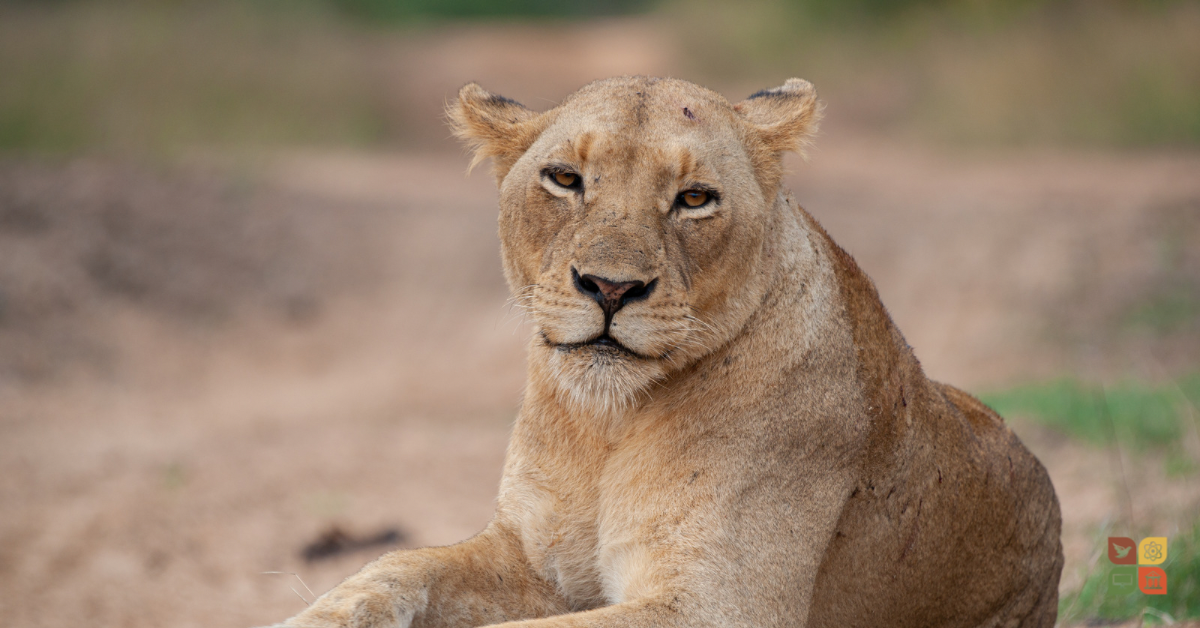
On International Women’s Day, leaders across journalism, activism, science, and sanctuary work highlight the vital role women play in challenging animal exploitation.
March 8 marks International Women’s Day, a global observance recognizing the achievements of women and the continuing struggle for equality. In the movement for animal protection and liberation, women have long stood at the forefront—organizing investigations, building sanctuaries, documenting cruelty, and amplifying stories that might otherwise go unheard.
Across the modern animal rights movement, women are frequently among the most visible voices pushing conversations about animals into the public sphere. From investigative journalists and filmmakers to grassroots organizers and nonprofit leaders, their work has helped bring issues such as factory farming, animal testing, and wildlife exploitation into broader public awareness.
Media advocacy has played a particularly important role. Platforms like UnchainedTV, founded by journalist and activist Jane Velez-Mitchell, have helped expand the reach of animal-focused reporting. Through documentaries, interviews, and live coverage of activism, independent media outlets continue to create space for stories that are rarely covered by traditional news organizations.
Women have also shaped the movement through grassroots organizing and direct action. Activists such as Diane Gandee Sorbi, remembered by many in the community for her dedication before her passing several years ago, were part of a generation of advocates working to bring greater visibility to the realities of animal exploitation. In addition to her work with Direct Action Everywhere, Sorbi also volunteered with the Humane Party, reflecting the close ties between grassroots activism and political advocacy within the broader animal protection movement.
Scientific voices have also played a powerful role in reshaping public understanding of animals. Primatologist Jane Goodall has spent decades helping the world reconsider long-held assumptions about the emotional and cognitive lives of nonhuman animals, bridging scientific research with a broader cultural shift toward empathy and respect for other species.
Sanctuary leadership represents another area where women have been especially prominent. Organizations like Rowdy Girl Sanctuary, co-founded by advocate Renee King-Sonnen, have helped transform former cattle operations into safe havens for rescued animals while educating the public about compassionate alternatives.
The movement has also been shaped by many other influential women whose work spans decades and disciplines. Advocates such as Ingrid Newkirk, Anita Krajnc, Leah Garcés, Gretchen Ryan, and Marlene Narrow, among many others, have helped expand public awareness of animal exploitation and push for systemic change. Their contributions—along with those of countless organizers, caregivers, journalists, investigators, and educators working at the local level—demonstrate the depth and diversity of women’s leadership within the global animal protection movement.
These examples represent only a small portion of the women shaping the animal protection movement today. Across local communities and international networks alike, many advocates work quietly outside the spotlight—organizing events, documenting cruelty, caring for rescued animals, and educating the public about the ethical implications of how animals are treated.
On International Women’s Day, their work stands as a reminder that movements for justice are often built by individuals willing to challenge long-standing assumptions and expand society’s circle of compassion. For many in the animal protection movement, that expanding circle continues to grow—prompting a deeper reflection on who we include within our moral concern, and what a truly compassionate future might ask of us.
 The Humane Herald