
There are moments in political discourse that demand we stop parsing words for plausibility and instead confront intent.
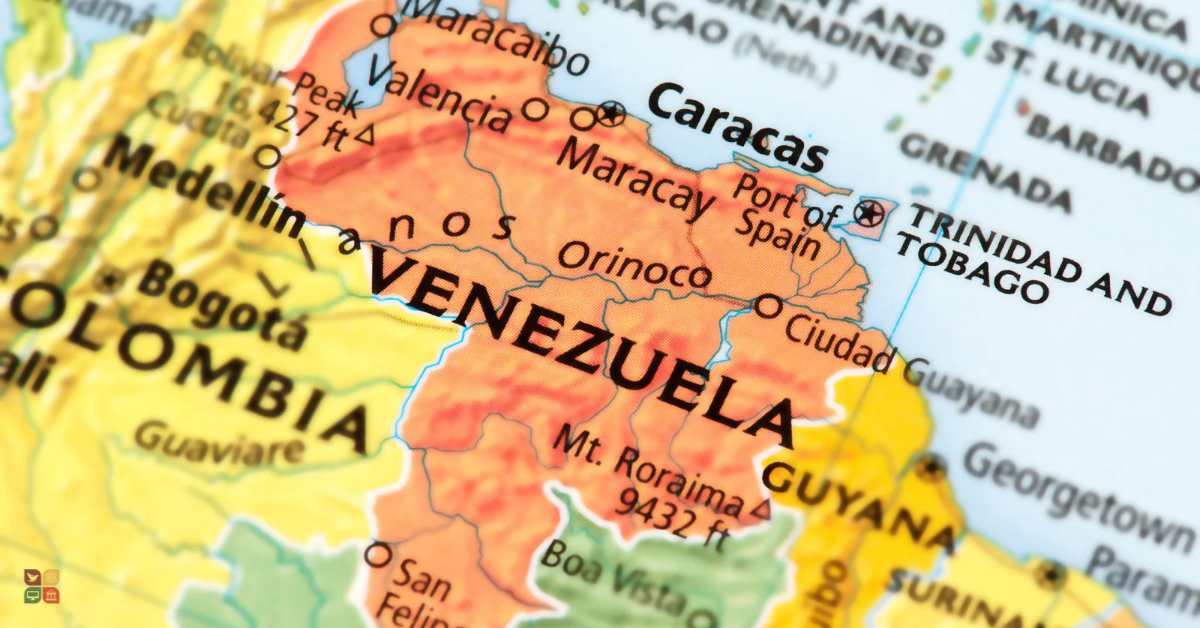
Donald Trump’s reported statement—that the United States would “run Venezuela” and control the country until a “transition” could occur—should be understood not as a serious policy proposal, but as a revelation. Not of competence. Not of strategy. Of worldview.
This is not how democracies speak. It is how empires speak.
For decades, U.S. foreign policy has inflicted regime change under softer language: “stabilization,” “democracy promotion,” “humanitarian intervention.” What makes this moment different is not the underlying impulse—it is the abandonment of euphemism. The mask slips. The domination is said plainly.
To “run” another sovereign nation is to deny its people agency. To frame occupation as “transition” is to position democracy as something imposed from above, rather than built by those who must live with its consequences. History has been unkind to such experiments, particularly in Latin America, where U.S. interventions have repeatedly destabilized governments, empowered authoritarian actors, and left generations grappling with violence, poverty, and displacement.
This rhetoric also serves a domestic purpose.
When authoritarian language is normalized abroad, it rarely stays there. The idea that power should be centralized, imposed, and justified by perceived disorder is not limited by borders. The same logic used to “manage” another country eventually finds its way home—aimed at dissenters, migrants, marginalized communities, and political opponents.
That is why this matters beyond Venezuela.
A leader who casually discusses controlling another nation until it conforms to their vision is signaling comfort with unaccountable power. A willingness to override consent. A belief that force, not legitimacy, is the foundation of order.
This is not strength. It is a failure of democratic imagination.
True international solidarity does not look like occupation. It looks like diplomacy, humanitarian aid untethered from political coercion, respect for sovereignty, and support for self-determination—even when outcomes are messy or inconvenient. Democracy is not a product to be installed. It is a process that must belong to the people living it.
The Humane Herald rejects the framing that chaos justifies control. We reject the notion that suffering licenses domination. And we reject the idea that authoritarian instincts—whether cloaked in patriotism or spoken outright—are compatible with a just future.
Words shape reality. When leaders speak like emperors, we should believe them—and respond accordingly.
 The Humane Herald