
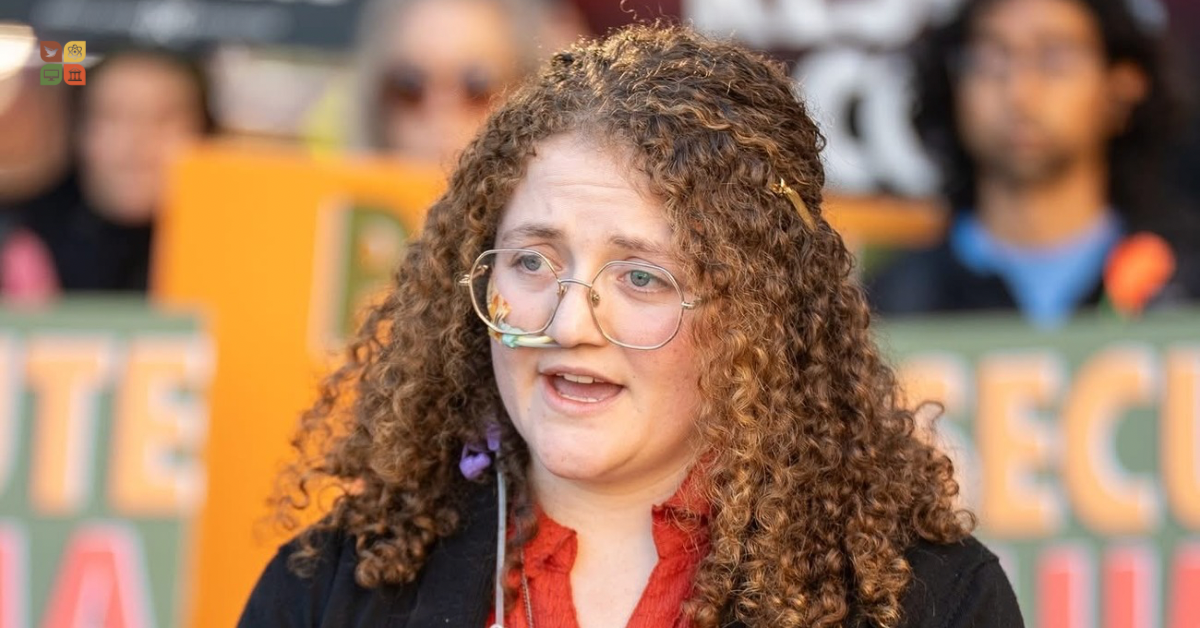
The Case of Zoe Rosenberg and the Moral Crisis in Sonoma County
On December 10th, animal rescuer and activist Zoe Rosenberg is scheduled to turn herself in to the Sonoma County Jail to begin a 90-day sentence for what millions of Americans would recognize as an act of conscience: rescuing four gravely ill chickens from Perdue’s Petaluma Poultry slaughterhouse. Along with jail time, Rosenberg has been ordered to pay over $102,000 in restitution, serve two years of supervised probation, maintain specific employment or student status, avoid all Perdue facilities, and cease contact with other rescuers.
Her punishment is not for harming anyone, defrauding anyone, endangering anyone, or stealing anything of economic value. Her “crime” is the rescue of sentient beings who were sick, suffering, and headed for slaughter.
This case reveals a chilling truth: the law is being used not to protect the vulnerable, but to protect their abusers. In Sonoma County — where agricultural corporations hold political and economic dominance — those who expose cruelty are prosecuted more aggressively than those who commit it.
But Rosenberg’s case carries an additional layer of urgency. She lives with Type 1 diabetes, a condition requiring constant access to insulin and proper medical oversight. The Sonoma County Jail contracts with WellPath, a medical provider sued more than 1,400 times for neglect, malpractice, and avoidable deaths — and currently facing bankruptcy. In such a system, denying timely insulin is not a clerical error; it is a life-threatening inevitability.
Despite Rosenberg’s documented medical vulnerabilities, the judge has barred her from even applying for alternative detention for the first 30 days — a decision that places her life in real and immediate danger.
The state is not merely criminalizing rescue. It is criminalizing compassion, whistleblowing, and truth-telling about the violence inflicted on animals whose suffering remains deliberately hidden from public view.
And it is doing so at the expense of a young woman’s life.
A System Designed to Shield Abuse, Not Prevent It
Rosenberg’s sentencing is part of a pattern: corporate agriculture, one of the most powerful lobbying blocs in the country, increasingly leverages the criminal legal system to punish activists who expose cruelty.
Undercover investigations and open rescues have revealed:
• birds collapsed on feces-covered floors, unable to walk
• animals with infections, broken limbs, untreated wounds
• extreme overcrowding, dehydration, and starvation
• workers instructed to discard or ignore the sick and dying
Rather than addressing these violations, corporations push for prosecution of those who bring them to light.
In this upside-down logic:
• rescuing a dying chicken = felony theft
• beating, tormenting, or neglecting that chicken = “standard industry practice”
This is not justice.
This is institutionalized cruelty, and Rosenberg’s case simply exposes it.
A Health Crisis Manufactured by the State
For someone with Type 1 diabetes, denied access to insulin for even a handful of hours, the consequences can escalate rapidly:
• seizures
• coma
• cardiac arrest
• death
WellPath’s history heightens that risk dramatically. Lawsuits against the company detail cases in which people died because insulin was delayed, denied, incorrectly dosed, or lost in administrative gaps that should never occur in a functioning medical system.
To send a medically fragile person into such an environment — while alternative sentencing exists — is unconscionable.
In Rosenberg’s own words:
“We have no confidence that WellPath will take these concerns seriously given their long history of medical neglect.”
Her fear is justified.
Her risk is real.
And the state of California is responsible for the outcomes.
The Broader Moral Question
Rosenberg ended her statement by returning, as abolitionist activists often do, to those with even less protection than she has: the billions of animals trapped in industrial captivity who receive no medical care, no legal rights, and no escape.
If rescuers can be imprisoned for removing a dying chicken from a slaughterhouse, then the legal system is no longer merely failing to protect the vulnerable.
It is actively punishing mercy.
This is the moment when society must ask itself:
• What kind of state punishes individuals for preventing suffering?
• What kind of society allows corporations to define compassion as a criminal act?
• What kind of justice system disregards human medical needs to safeguard corporate profits?
This is not just an activist story.
This is a civil rights story.
A public health story.
A democracy story.
And above all, a moral story.
Zoe Rosenberg should not spend a single day in jail for saving lives.
OPEN LETTER TO GOVERNOR GAVIN NEWSOM
Governor Newsom,
I write to you on behalf of readers of The Humane Herald, members of the animal protection community, and all Californians who believe that compassion should never be treated as a crime.
In less than a week, Zoe Rosenberg is scheduled to enter Sonoma County Jail to serve a 90-day sentence for rescuing four suffering chickens from a Perdue slaughterhouse — sentient beings who were sick, mistreated, and denied the most basic standards of care. For this act of conscience, she faces jail time, six-figure restitution, probationary restrictions, and a ban on associating with other rescuers.
This alone is a profound miscarriage of justice.
But Rosenberg also lives with Type 1 diabetes, a condition requiring round-the-clock access to insulin. The jail’s medical provider, WellPath, has been sued more than 1,400 times for fatal neglect and is now in bankruptcy proceedings. Entrusting this company with Rosenberg’s life, even temporarily, poses a known and preventable danger.
Governor, to send a medically vulnerable young woman into a facility with a documented history of medical negligence is not merely a sentencing issue — it is a human rights issue.
California must not become a state where:
• corporate agricultural interests override basic morality,
• whistleblowers are punished while abusers are protected, and
• a person’s life is endangered for upholding values we should all aspire to.
Zoe Rosenberg is not asking for special treatment.
She is asking for safety, human dignity, and the ability to continue her life-saving advocacy without being harmed by the state entrusted with her care.
We urge you, Governor Newsom, to issue a full pardon or, at minimum, to grant a reprieve that removes the immediate threat to her life and allows for appropriate, safe alternative sentencing.
This case is not only a reflection of Rosenberg’s courage — it is a test of California’s conscience.
Animal rescue is not a crime.
Compassion is not a crime.
And no one should risk death for saving lives.
Respectfully,
Brandy W. Walt-Rose
Editing Coordinator, The Humane Herald
On behalf of readers, advocates, and the movement for a more humane nation
 The Humane Herald