
On World Wildlife Conservation Day, a reminder that saving one species is not enough when the system itself is failing.
December 4 marks both World Wildlife Conservation Day and International Cheetah Day — two observances meant to spotlight the world’s declining wild populations and the fragile future of one of Earth’s most recognizable species. But behind the glossy photos and feel-good campaigns lies a harder truth: wildlife is disappearing because our global systems prioritize consumption, extraction, and industrial expansion over living beings.
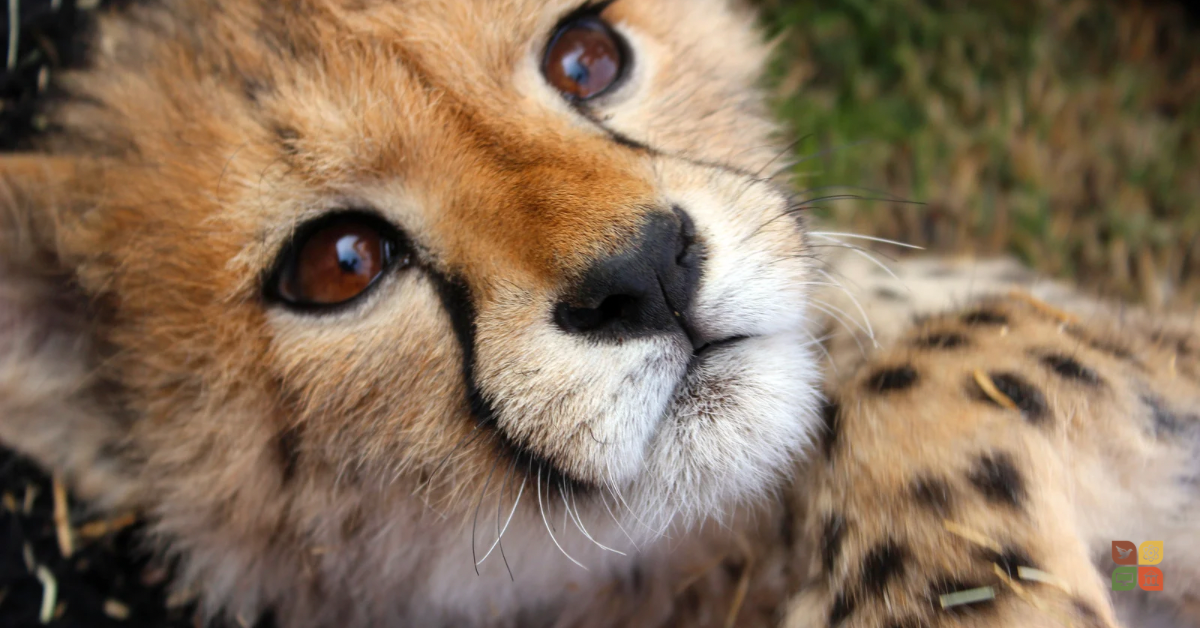
The cheetah, whose speed once symbolized the wild itself, is now one misstep away from vanishing. Fewer than 7,000 remain in the wild, scattered across shrinking habitats cut apart by human development, trophy hunting, conflict, and agriculture. Conservation groups warn that the species could face extinction in our lifetime — yet the forces driving that collapse reach far beyond one animal.
The “Charismatic” Illusion
Cheetahs receive attention because they are photogenic, iconic, and marketable. Conservation nonprofits can rally donations and awareness behind a sleek, spotted predator far more easily than they can for the overlooked, unglamorous species slipping quietly into extinction: amphibians, insects, rodents, and the countless beings whose stories rarely make headlines.
This is the tension at the heart of modern conservation: we save what we like, not what the ecosystem needs.
While cheetahs suffer from habitat fragmentation and poaching, entire ecological webs are collapsing under the weight of human land use. Industrial animal agriculture consumes over a third of the planet’s habitable land, drives deforestation, and displaces wildlife on a scale that no single-species rescue campaign can hope to counter.
Beyond Conservation: Toward an Abolitionist Environmental Ethic
The Humane Party and the broader abolitionist movement argue that saving cheetahs — or any species — requires more than isolated interventions. It requires dismantling the worldview that treats nonhuman life as scenery, property, or resources to be managed.
Traditional conservation often focuses on maintaining populations for tourism, photography, or “sustainable use.” But this framework still commodifies animals. It still divides species into “important” and “expendable.” It still leaves room for killing, capturing, or displacing them when profitable.
A humane alternative demands something more radical:
• Prioritize ecosystems, not industries
• Recognize animals as persons, not resources
• Reject euphemisms like “harvest,” “management,” and “use”
• Address the global drivers of extinction: animal agriculture, fossil fuel expansion, trophy hunting, and extractive finance
The cheetah’s struggle is a warning, not a standalone crisis.
A Species Racing a Clock We Built
As climate change accelerates, droughts intensify, and prey species decline, cheetahs have less space, fewer corridors, and dwindling genetic diversity. Their survival is not simply about breeding programs or anti-poaching patrols — it’s about rethinking how we use land, how we treat animals, and what we value as a society.
Wildlife cannot be saved by awareness days alone. They can only be saved by transforming the systems that made these days necessary.
The Work Ahead
If December 4 is to mean anything, let it be this: the cheetah should not have to prove its beauty or charisma to deserve life. No species should.
A humane future will not be built on triage or tokenism. It will be built on rights, ethics, and the recognition that every life — spotted or feathered, familiar or forgotten — belongs in the world we are rapidly reshaping.
 The Humane Herald