
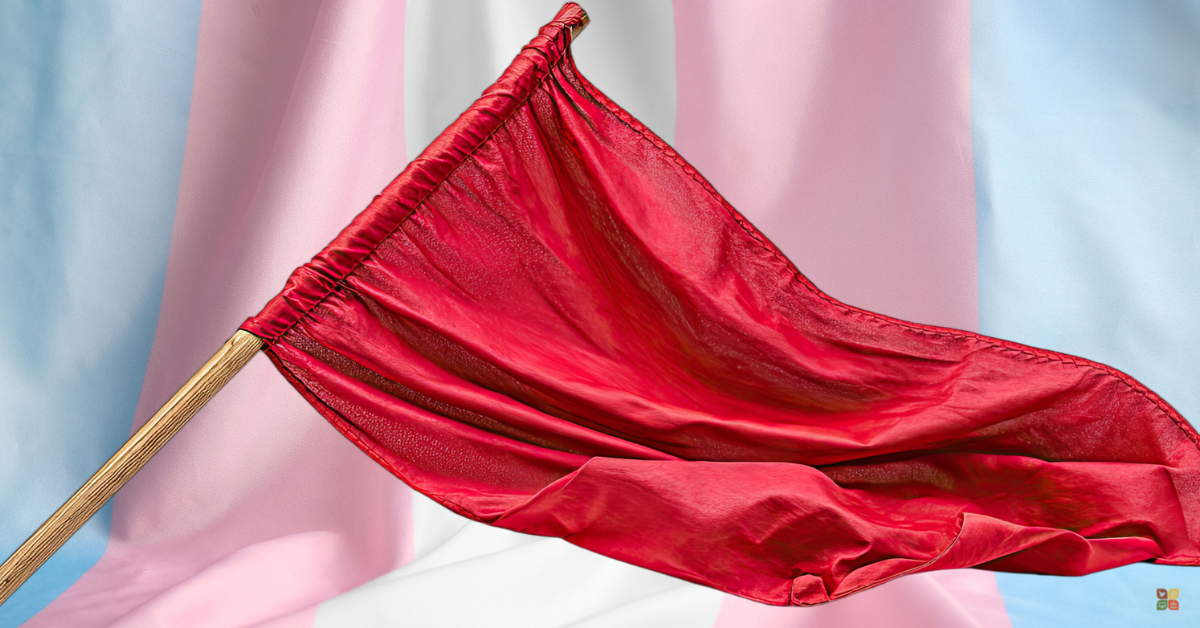
A leading genocide prevention organization has issued a new warning regarding policies affecting transgender people in the United States.
The Lemkin Institute for Genocide Prevention released its third “Red Flag Alert” this week, raising concerns about what it describes as escalating legal and political persecution of transgender, gender-expansive, and intersex individuals in the country.
The report argues that a wave of recent legislation and administrative actions targeting transgender people may represent early indicators of systemic persecution—one of the warning signs that genocide prevention scholars monitor when assessing risks to vulnerable populations.
Growing Legislative Pressure
According to the institute’s analysis, hundreds of bills aimed at LGBTQ+ communities have been introduced in recent years across state legislatures.
The report states that more than 600 anti-LGBTQ+ bills were introduced in 2025 alone, with dozens signed into law. Many of those policies focus specifically on transgender individuals and include restrictions related to:
• access to gender-affirming healthcare
• participation in school athletics
• legal recognition of gender identity
• identification documents
• and public accommodations
Researchers argue that the cumulative effect of these policies can erode legal protections and increase vulnerability to discrimination and violence.
The “Red Flag Alert”
The Lemkin Institute uses “Red Flag Alerts” to draw attention to situations it believes could develop into large-scale human rights crises if left unaddressed.
In its latest alert, the organization states that the United States is experiencing what it describes as “compounding state and federal persecution” targeting transgender people.
The report warns that legal restrictions, combined with political rhetoric and social hostility, can create conditions that place marginalized communities at heightened risk.
Debate Over the “Genocide” Label
Not all experts agree with the institute’s characterization.
Some legal scholars and policymakers argue that the term “genocide” carries a specific definition under international law, typically requiring intent to physically destroy a national, ethnic, racial, or religious group.
Critics say that applying the term to current policy debates risks diluting the legal meaning of genocide.
Supporters of the institute’s warning, however, argue that genocide prevention requires early detection of systemic persecution before violence escalates, not after.
A Broader Human Rights Conversation
The debate surrounding the report reflects a broader cultural and legal conflict unfolding across the United States regarding gender identity, civil rights protections, and the scope of government authority.
For advocates, the warning highlights the urgency of protecting vulnerable communities from discrimination.
For critics, it raises questions about how human rights language is applied in political debates.
What remains clear is that the issue has moved beyond isolated policy disputes and into the realm of international human rights monitoring.
As global watchdog groups continue to track developments in the United States, the conversation surrounding transgender rights—and the language used to describe threats to those rights—is likely to intensify.
Editor’s Note:
Words like genocide carry immense historical weight. They should never be used lightly. At the same time, institutions devoted to genocide prevention exist precisely to raise alarms before the worst outcomes occur. Their role is to identify patterns of escalating persecution that history has shown can lead to tragedy if ignored.
Whether one agrees with the institute’s framing or not, the report highlights a deeper reality: the language of human rights, civil protections, and the dignity of marginalized people is once again becoming a central debate in American public life.
As citizens—we have a responsibility to examine the ethical questions beneath it.
 The Humane Herald