
A newly disclosed internal policy within U.S. Immigration and Customs Enforcement (ICE) is prompting national concern after reports revealed that agency guidance may allow officers to enter private homes without a judicial warrant in certain deportation cases.
According to reporting by CBS News and other major outlets, the directive originates from a May 2025 internal memo that authorizes ICE agents to rely on administrative warrants — documents issued internally by the agency — when entering the homes of individuals who already have final orders of removal. Unlike judicial warrants, administrative warrants are not signed by a judge.
The disclosure has sparked alarm among civil liberties organizations, legal experts, and immigrant advocacy groups, who argue that the practice directly conflicts with longstanding Fourth Amendment protections against unreasonable searches and seizures.
Administrative warrants vs. judicial warrants
Under U.S. constitutional law, forced entry into a private residence generally requires a judicial warrant signed by a judge, unless limited emergency exceptions apply, such as imminent danger or exigent circumstances.
Administrative warrants, by contrast, are internal agency documents. Historically, they have been used to authorize arrests in public spaces or in contexts where consent is given — not forced entry into private homes.
Legal scholars note that no court precedent has established that administrative warrants alone provide lawful authority to enter a residence without consent.
A disputed policy, not settled law
Importantly, the memo does not represent a change in statute, court ruling, or constitutional interpretation. It is an internal agency directive — not a publicly enacted law.
Multiple legal experts have stated that the policy would likely face serious constitutional challenges if tested in court, particularly under Fourth Amendment standards that have consistently protected the home as a space of heightened privacy.
Civil liberties groups argue that the policy creates a dangerous gray zone: one where federal agents may act beyond established constitutional authority while individuals lack immediate access to legal recourse in real-time encounters.
Fear in communities — and institutional consequences
Reports indicate that the policy has already fueled fear within immigrant communities, particularly in Minnesota, where state leaders have raised concerns about cooperation between local authorities and federal immigration enforcement.
The controversy highlights a growing tension between federal enforcement agencies and state and local governments over immigration policy, civil liberties, and constitutional limits of authority.
The deeper issue
This moment is not only about immigration enforcement — it is about constitutional boundaries.
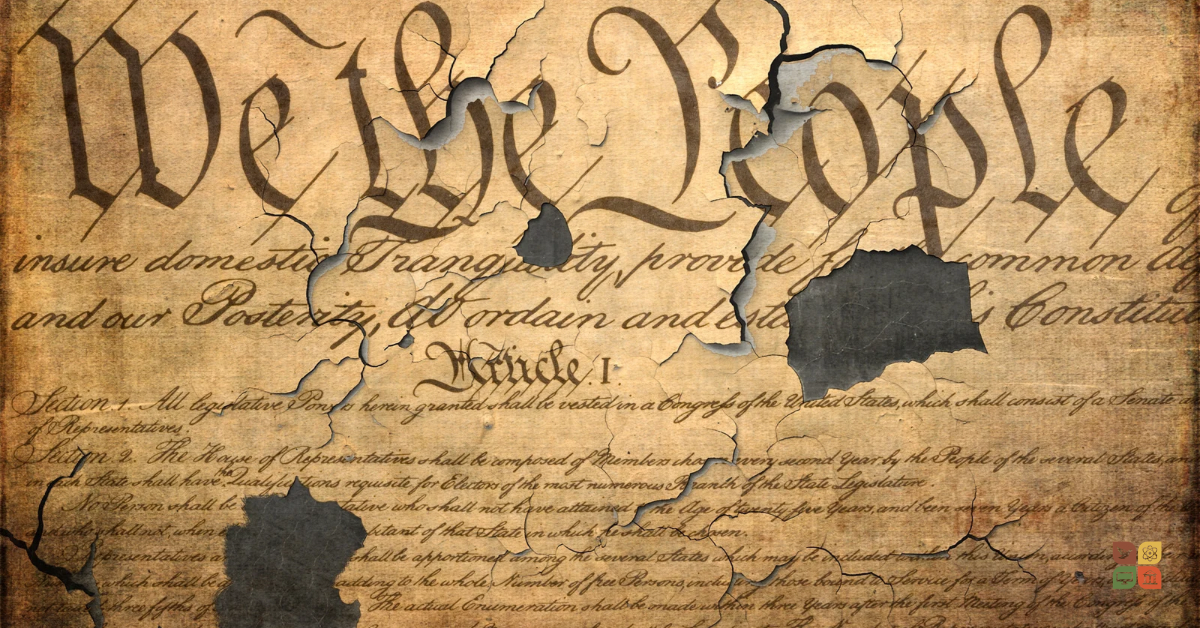
The Fourth Amendment was designed to prevent precisely this kind of state power: unchecked entry into private homes without judicial oversight. Any erosion of that boundary, regardless of the population targeted, reshapes the relationship between the government and the public.
History repeatedly shows that expansions of state power justified against one group rarely remain limited to that group.
Where this stands now
The policy exists as an internal ICE directive It is legally disputed It has not been affirmed by courts It is not codified law It is actively contested by civil liberties organizations Legal challenges are likely
What is unfolding is not a settled transformation of constitutional law — but a quiet institutional attempt to redefine enforcement authority without judicial approval.
That alone is reason for public scrutiny.
 The Humane Herald