
ICE, Power, and the Meaning of Community Defense
The appearance of armed Black Panther–affiliated groups at recent anti-ICE protests has unsettled some observers and energized others. Predictably, the media has fixated on optics—guns, uniforms, names heavy with history—while largely avoiding the harder question beneath it all:
What does it mean when communities feel compelled to defend themselves from the state?
This is not a story about spectacle. It is a story about power, fear, and the erosion of trust between federal authority and the people it claims to serve.
A Familiar Pattern, Repeating
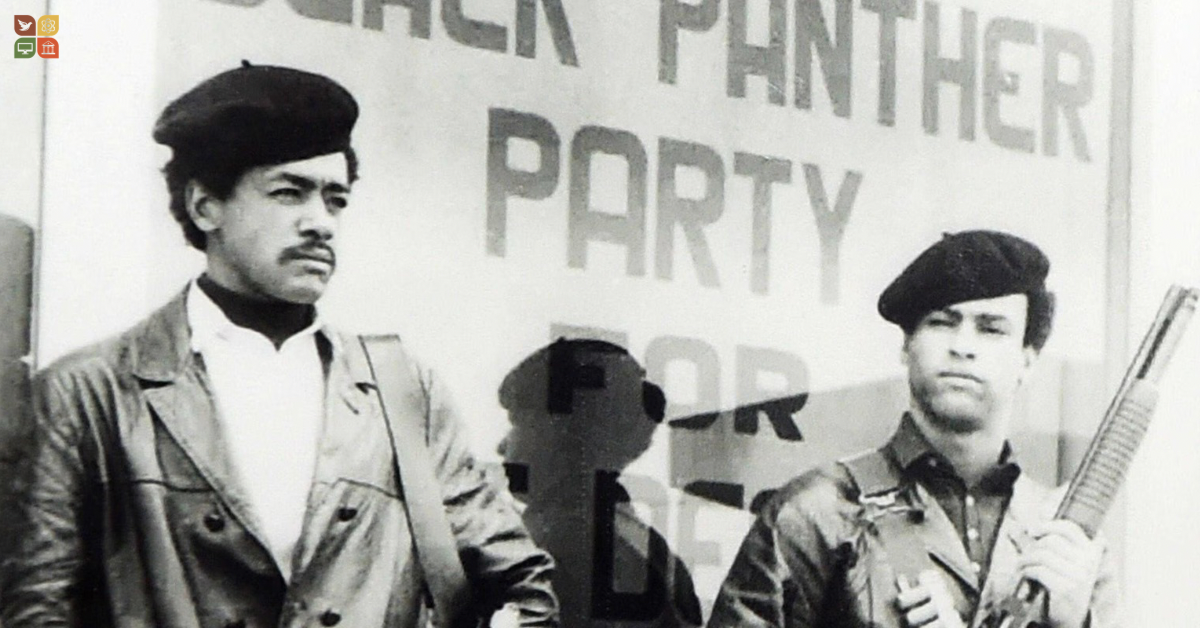
The original Black Panther Party did not emerge from ideology alone. It emerged from conditions: over-policing, racialized violence, and a justice system that offered Black communities little protection and even less accountability. Armed patrols were not symbolic theatrics; they were a response to lived reality.
Today’s groups using the Panther name are not the same organization, nor should they be treated as such. But the logic of their emergence is hauntingly familiar.
When U.S. Immigration and Customs Enforcement conducts militarized raids, operates with limited transparency, and is implicated in fatal encounters, it sends a message—intentional or not—that certain communities exist under occupation rather than governance.
History tells us what happens next.
ICE and the Crisis of Legitimacy
ICE is not merely enforcing immigration law; it is exercising state violence. That distinction matters.
Law enforcement retains legitimacy only so long as it is perceived as:
• accountable
• restrained
• proportionate
• protective of life
When families are separated, neighborhoods flooded with armed agents, and deaths occur without swift, credible accountability, legitimacy fractures. In that vacuum, alternative forms of “protection” arise.
This is not radical theory. It is political reality.
Armed Presence: Escalation or Symptom?
Critics argue—often in good faith—that armed groups at protests risk escalation. That concern should not be dismissed. Firearms introduce irreversible consequences into volatile situations.
But focusing solely on the presence of guns is a convenient misdirection.
The deeper issue is why people feel safer standing next to armed civilians than standing alone in front of federal agents.
The Panthers did not create that fear. ICE did not create it alone either. It is the product of decades of policy choices that prioritize enforcement over humanity, control over care.
The State’s Monopoly on Violence Is Not Moral by Default
The modern political myth is that violence becomes legitimate simply by wearing a badge. History—American and otherwise—disagrees.
When the state’s use of force is unaccountable, communities will experiment with self-defense. Not because they want chaos, but because the social contract has been breached.
That does not make every act of armed “community defense” wise, justified, or safe. But it does make it understandable.
And understanding is the first obligation of anyone serious about justice.
Immigrant Communities Are Not Separate From Black Communities
One of the most important aspects of this moment is solidarity.
Black communities know what over-policing looks like. Immigrant communities know what it means to live in fear of sudden disappearance. When these experiences converge, alliances form—not out of ideology, but necessity.
The presence of Panther-aligned groups at ICE protests is not an attempt to hijack immigrant advocacy. It is a declaration: state violence anywhere threatens people everywhere.
The Question the Media Avoids
The question is not whether armed activists “should” be there.
The real question is this:
Why has the federal government made itself so feared that civilians believe deterrence—not dialogue—is their only shield?
Until that question is answered honestly, the cycle will continue:
• enforcement without accountability
• protest without relief
• escalation framed as extremism rather than warning
A Warning, Not a Threat
The return of Panthers to the streets is not a call for violence. It is a signal flare.
It says: the system is failing to protect human dignity.
Ignore it, mock it, or suppress it—and history suggests what comes next will be louder, angrier, and harder to contain.
Reform it—through transparency, restraint, and an immigration system grounded in human rights—and the need for “community defense” dissolves on its own.
Power does not disappear when ignored. It concentrates. And when it does, people push back.
The Panthers are not the story.
ICE is.
 The Humane Herald