
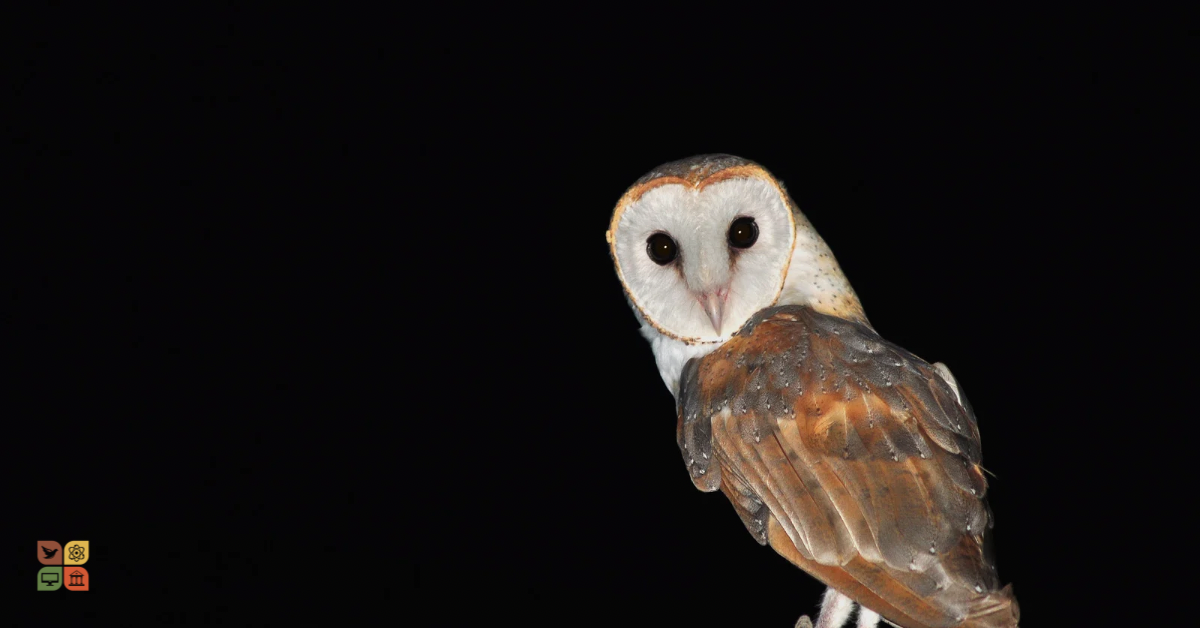
The fields at the edge of Moonridge were known for their quiet.
Not the emptiness of silence, but the kind of quiet that made space for everything else—the rustle of wheat, the sigh of wind, the tiny footsteps of mice threading their trails between roots. It was the kind of quiet you could only hear if you paused long enough to notice it.
Most creatures took it for granted.
All except the barn owl.
Her name was Embera, and she slept in the rafters of an old wooden barn that leaned slightly to the east, as if listening to something far away. Every night she swept over the fields in slow, deliberate arcs—white wings gleaming, eyes holding more of the moon than the sky did.
She listened.
That was her gift.
Embera could hear the tremble beneath the soil before a storm arrived. She could detect when the wheat stalks whispered warnings. She could sense when the quiet wasn’t the right kind—when it shifted into something tense, compressed, waiting.
One evening, she noticed the difference instantly.
The quiet no longer breathed.
It clenched.
The mice scurried in strange patterns. The crickets paused mid-song. The wind held its breath. Embera perched atop the weather vane, listening harder.
There it was—a low, rhythmic thudding, far off but approaching. It was smooth, unnatural, too even to be thunder, too steady to be hooves. The ground trembled like a warning pressed into her bones.
The other animals didn’t notice. Night was normal, and danger, to them, arrived loudly.
But Embera knew danger often announced itself softly.
She swooped to the barnyard and called for the creatures who lived nearby—hares, field mice, stoats, sparrows, and the gentle old horse who dozed by the fence.
“There’s something coming,” she told them. “Something heavy. Something wrong.”
The horse lifted his head, ears twitching.
“I hear nothing.”
“Not yet,” Embera said. “But the quiet hears for us.”
The stoat yawned. “What can we do about something we haven’t seen?”
“Prepare,” the owl said simply.
Some scoffed. Some ignored her. But a few trusted the owl whose hearing had never failed them. Together, they began to move: clearing burrows, shifting nests to higher ground, guiding smaller creatures to safer places beneath the barn beams.
Hours later, the thing arrived.
A massive machine crested the horizon, its wheels chewing into farmland, flattening stalks and ripping soil. Construction crews followed behind it, marking land the animals had lived on for generations.
The creatures who had prepared were already sheltered, organized, ready to relocate if needed.
The ones who had dismissed Embera panicked.
The rabbit family’s burrow collapsed. A vole nest flooded with soft earth. Even the sparrows, fast as they were, found their tree jolted by the machine and barely escaped.
It was chaos—until Embera swept low above them, calling out directions with her steady, moonlit voice.
“Go left—there’s shelter!”
“Take the ditch—it’s clear!”
“Follow the horse—he knows the path!”
Her guidance saved them.
When the machine finally halted for the night, the animals gathered in the tall reeds by the stream—safe, shaken, and grateful. The old horse bowed his head toward Embera.
“You heard what we couldn’t. You guarded a quiet none of us understood.”
Embera blinked softly.
“The quiet tells the truth long before the world does.”
From then on, the animals listened when Embera listened.
Not because she was always right—though she nearly was—but because she taught them that paying attention is its own protection.
And in the fields at the edge of Moonridge, the quiet returned.
Not empty.
Not frightened.
But alive—with every creature who had learned how to hear the world more clearly.
 The Humane Herald