
The River of Murmurs was known for one thing: its stillness.
Not silence—never silence—because water always has something to say.
But the river moved so slowly that leaves floated for days without sinking, and fallen feathers traveled downstream with the pace of dreaming.
The creatures who lived there learned to match its rhythm. They glided, drifted, and let the world pass over them like a soft blanket. Life was peaceful. Unquestioned. Unexamined.
Except by one.
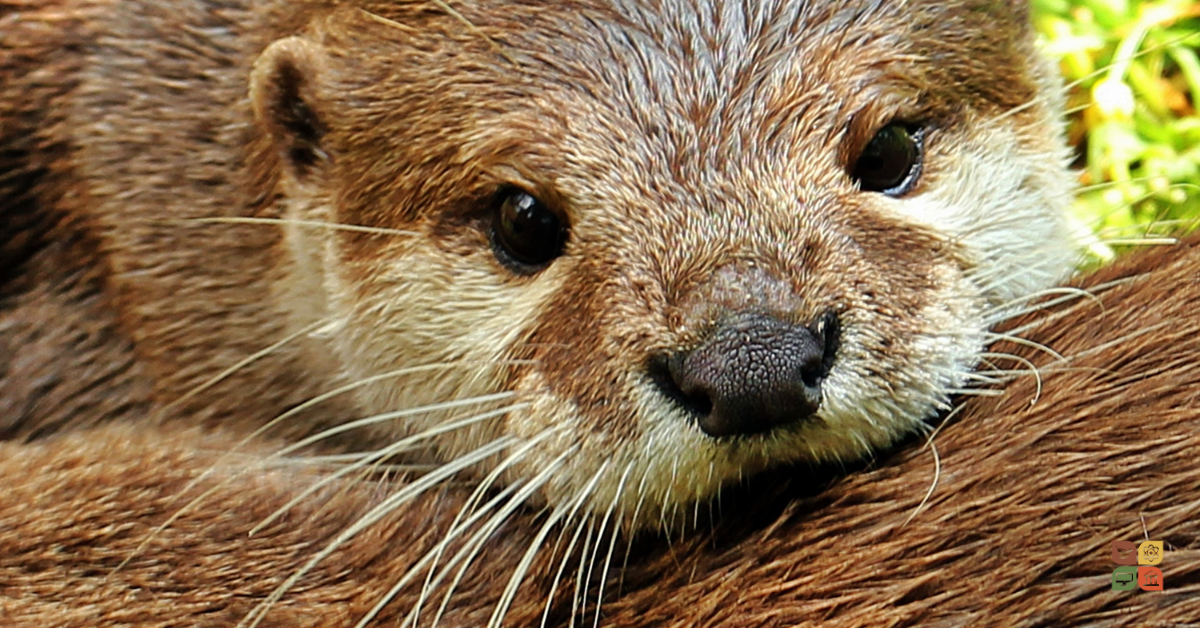
Her name was Nettle, a young river otter with fur the color of wet cedar. While the others lounged on sun-warmed stones, Nettle zipped through the water like a spark. She loved the river, but she did not love how it slept.
One morning, as she swam toward her favorite willow, she noticed something new: a thin, dark ribbon along the surface. It smelled sour, unnatural. She touched it with her paw, and it clung—heavy and oily.
She rushed back to the riverbank.
“The water’s sick!” she cried. “There’s something upstream.”
The older otters blinked at her, unruffled.
“Rivers carry things,” one elder said. “We drift. It drifts. That’s the way.”
“But if it keeps drifting,” Nettle insisted, “it will reach us all.”
“That is how things are,” the elder concluded, curling back into his sunspot. “The river moves slowly. Nothing ever changes.”
Nettle looked at the water.
Slow, yes.
But not powerless.
That night she traveled upstream alone, fighting the current until her muscles burned. The dark ribbon thickened as she went. Eventually she traced it to a fallen container—metal, sharp-edged, and leaking an unfamiliar sludge. A two-legged machine had toppled it during construction and left it behind.
The weight of the problem felt enormous. Bigger than her paws. Bigger than her whole body.
But the river was even bigger than that.
Nettle returned at dawn and called for every creature who lived along the banks—otters, turtles, herons, frogs, and minnows too small to be seen unless the sun hit them just right.
“We have to move,” she said. “We have to act.”
Dozens stared back, uncertain.
Finally, a heron stepped forward.
“I cannot swim as you do,” he said, “but I can carry messages.”
A turtle raised her head.
“I cannot hurry,” she said, “but I can push.”
A school of minnows shimmered together.
“We are small,” they said, “but we can guide the current.”
One by one, they agreed—not because the river had changed, but because Nettle had shown them that they could.
Together, they worked.
Herons delivered warnings.
Turtles built a barrier of logs.
Beavers reinforced it.
Fish redirected the flow of cleaner water.
And Nettle, swift and determined, sealed the leak with mud, reeds, and her own weight until the sludge stopped seeping.
It was hard.
It was messy.
It was not drifting.
When the river finally ran clear again, the creatures gathered around Nettle. The elder otter approached, humility softening his whiskers.
“You were right,” he said. “The river moves slowly. But we don’t have to.”
Nettle looked at the water, which now sparkled with life again.
“The river teaches us to go with the flow,” she said. “But sometimes the flow needs help finding its way.”
From that day forward, the River of Murmurs was no longer known for stillness alone. It became the river where even the smallest creature learned they could change the current—not by drifting, but by choosing to move.
And the river, grateful and bright, carried their courage downstream for many miles.
 The Humane Herald