
How systemic violence connects the slaughterhouse, the battlefield, and the streets at home
The Pattern of Violence
From the skies over Gaza to the factory floors of the Midwest, violence is carried out daily under the banner of “security,” “industry,” or “law and order.” The victims differ—civilians, animals, protesters—but the underlying machinery of domination remains constant. When governments and corporations decide whose lives matter and whose can be discarded, compassion is recast as threat, and silence becomes complicity.
Gaza: Normalizing Human Suffering
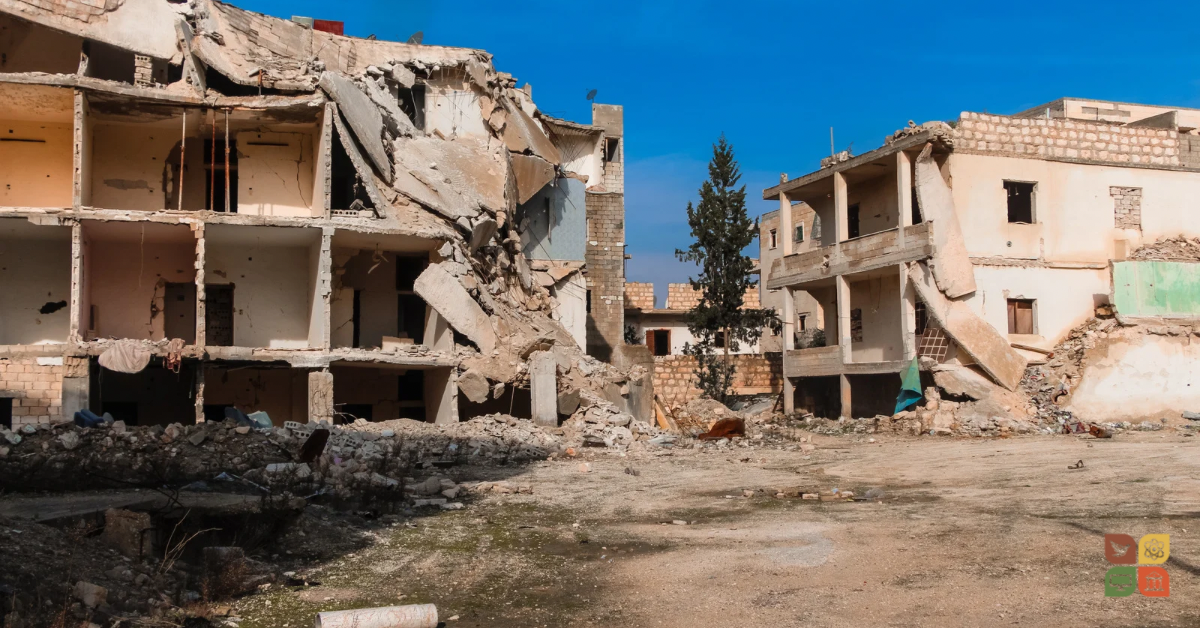
For months, images from Gaza have shown entire neighborhoods reduced to rubble. Families are bombed in their homes, civilians cut off from food, water, and medical care. International law is clear about collective punishment and civilian targeting, yet violations are excused or ignored under the rhetoric of “security.”
The mass suffering is normalized because Palestinians are consistently dehumanized—portrayed as expendable in the service of political and military interests.
The Midwest: Slaughter on an Industrial Scale

Thousands of miles away, in the heartland of the United States, slaughterhouses operate with the same logic. Every day, billions of animals are confined, mutilated, and killed, their lives reduced to “production units.” Euphemisms like “processing” or “protein” mask the brutality, making faunacide appear mundane.
The human cost is staggering as well: many slaughterhouse workers are immigrants or low-income laborers, enduring injuries, trauma, and exploitation for the profit of an industry shielded by powerful lobbies and state protection.
Policing Compassion at Home
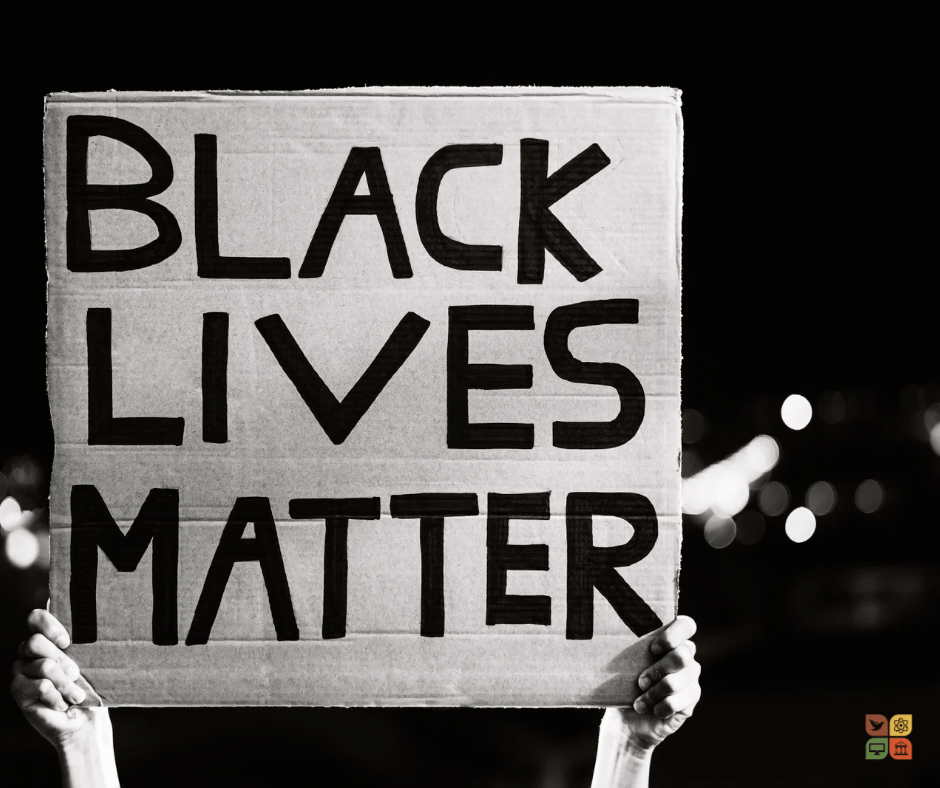
When citizens resist injustice—whether marching for Black lives, exposing animal cruelty, or opposing war—the response is often swift repression. From George Floyd’s killing in Minneapolis to the viral video of brutality in Jacksonville, police violence exposes the deep fracture between state power and community protection.
Ag-gag laws criminalize those who document animal suffering. Protesters are surveilled, arrested, and portrayed as “threats.” In each case, compassion itself is treated as a crime, because it interrupts the smooth functioning of systems built on harm.
A Common Thread: Dehumanization and Control
What links Gaza’s devastation, the slaughterhouse floor, and the streets of American cities is not coincidence—it is a political economy dependent on violence. Dehumanization abroad, de-animalization at home, and criminalization of dissent are all tools of control. They allow governments and corporations to maintain power by obscuring suffering and punishing empathy.
Conclusion: Justice Without Borders
Selective compassion is no compassion at all. If peace is possible, it cannot be limited to treaties signed by heads of state while slaughterhouses still run, prisons still overflow, and police still brutalize communities.
Justice cannot stop at national borders, species lines, or political expediency. Whether in Gaza or the Midwest, a life is a life. To demand anything less is to accept the machinery of violence as permanent.
Compassion without borders is the only revolution that will last.
 The Humane Herald