
The New York Times is suddenly worried about science—because hunters are. But where was this energy when bird banding served life, not leisure?
To its credit, The New York Times recently brought attention to a troubling move in the Trump administration’s proposed budget: the defunding of the Bird Banding Laboratory, a century-old research program crucial to tracking bird migration and population health. The article rightly recognizes the scientific value of bird banding, the importance of long-term data collection, and the potential harm to ecological understanding if that infrastructure disappears.
But that’s where the clarity ends.
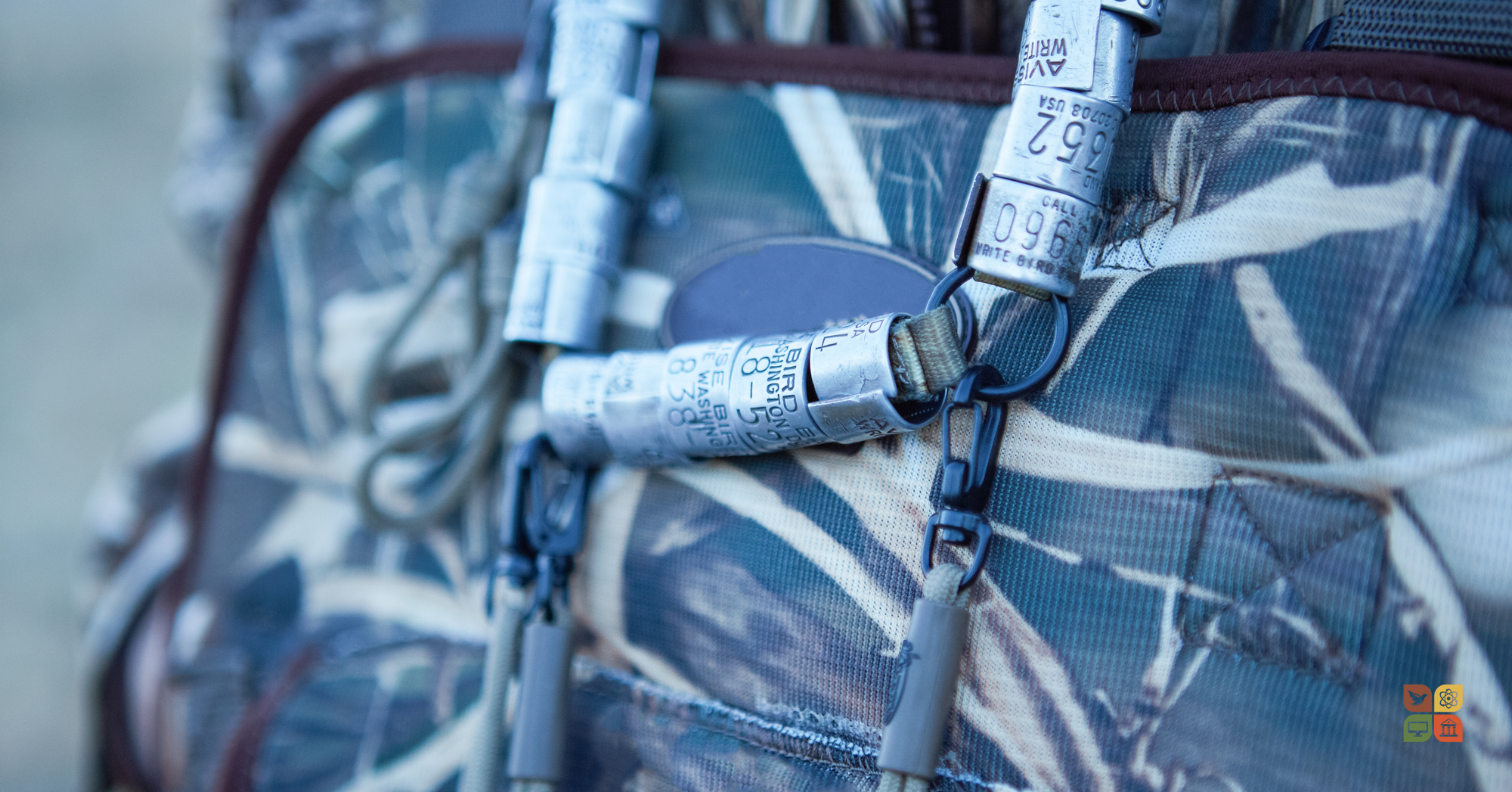
Rather than centering the birds, the Times centers the hunters—the very individuals whose hobby depends on tracking migratory wildlife only to turn that knowledge into better aim. In “Trump’s Budget Would Clip Bird Banding. Hunters Are Not Happy,” the story is framed not around the birds or the ecosystems at risk, but around the discomfort of “citizen scientists” who may lose their access to data.
Let’s pause there: the people grieving the potential loss of bird banding are often the same people who pull the trigger.
Yes, the Bird Banding Lab has enabled valuable scientific research. It has helped map avian movements, identify population declines, and inform conservation policy. But the Times’ sudden urgency only emerges now—when the cut interferes with the leisure activities of politically aligned hunters. When bird banding served nonlethal ecological science, it warranted no headline. Now that it disrupts recreational killing, it’s a cause for concern.
And that’s the heart of the hypocrisy.
When animal rights advocates raise alarms about biodiversity collapse, habitat loss, or faunacide, they’re sidelined as “radical.” When scientists speak out against trophy hunting or advocate for nonlethal conservation, they’re painted as idealists. But when duck hunters—often wealthy, white, and politically connected—complain that they won’t be able to play scientist with their kill data, suddenly it’s newsworthy.
The article attempts to position these hunters as stewards of science—citizens who contribute to ecological understanding. But we must ask: what kind of understanding is being built when the outcome is still death?
This is not neutral observation. It is data extraction for the purpose of domination. These birds are tagged, tracked, and targeted. The Banding Lab becomes a tool—not for protection, but for precision.
Let’s be clear:
You cannot claim to love wildlife while aiming down the barrel at it.
The deeper issue here isn’t the potential budget cut itself—it’s the persistent media narrative that places armed hobbyists at the center of environmental care. It’s a narrative that portrays nonviolence as naive, and conservation through killing as mature, responsible, even noble.
What’s needed is not just a restored budget—but a restored ethical framework. One that treats birds not as data points or targets, but as beings with their own lives and migratory destinies. We need bird banding—yes—but we need it liberated from the hunting lobby and the media platforms that continue to romanticize its grip on science.
Science does not exist in a vacuum. And when it is used to perpetuate faunacide, it stops being science and becomes strategy.
So no, The Humane Herald will not mourn with the hunters. We will mourn with the birds.
⸻
Editor’s Note:
To those wondering why a publication like The New York Times continues to center exploiters in its environmental coverage, the answer is simple: it’s meatwashed media. When the industries that profit from extraction and death dictate the terms of public discourse, journalism becomes public relations. And when the press cries louder for duck hunters than for ducks, we must ask ourselves—whose lives are being protected? And whose silence makes that possible?
 The Humane Herald